
.jpeg)
Clinical therapeutic effects of rubitin/rubicatin (Zanbiga) and patient efficacy feedback
Lurbinectedin is a new type of transcription inhibitor that mainly blocks the transcription process of cancer cell genes by inhibiting RNA polymerase II activity, ultimately leading to cancer cell apoptosis and tumor shrinkage. It is an anti-tumor drug derivative derived from ascidians. It has a different mechanism from traditional chemotherapy drugs and can precisely interfere with the DNA repair and replication process of tumor cells at the molecular level. The drug was approved by the U.S. FDA in 2020 for the treatment of patients with recurrent small cell lung cancer (SCLC), especially those who are resistant to or relapsed with platinum-based chemotherapy, providing a new treatment option. With the continuous deepening of clinical research, rubitidine has also shown certain therapeutic potential in various tumor types such as soft tissue sarcoma, ovarian cancer, and breast cancer.
Judging from clinical research results, the efficacy of rubitidine in the second-line treatment of small cell lung cancer is impressive. Phase III clinical trial data show that the objective response rate (ORR) of patients treated with rubitidine is approximately 35%, and the median progression-free survival time (ORR pan>PFS) is about 3.5 months, and the median overall survival (OS) is about 9 months. Compared with traditional chemotherapy drugs such as topotecan, rubitidine not only prolongs the survival of some patients, but also significantly improves treatment tolerance. Patients' tumor shrinkage response is obvious after receiving treatment, especially in some patients who are ineffective to platinum drugs, tumor stabilization or partial remission can also be observed. Its unique mechanism of action provides new treatment ideas for patients with recurrent and refractory tumors.
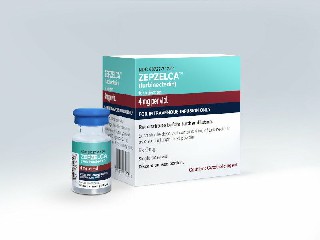
During the actual medication process, patient feedback generally believed that rubitidine was well tolerated. Compared with hair loss, severe vomiting and bone marrow suppression caused by traditional chemotherapy, the adverse reactions of rubitidine are relatively mild. Common side effects include mild to moderate fatigue, nausea, anemia, and neutropenia, but most can be alleviated by dose adjustment or adjuvant medication. Some patients have improved physical fitness and quality of life after taking the drug, especially showing better stability in disease control. Some patients reported that after several courses of continuous use, imaging examinations showed significant tumor shrinkage or stable lesions, indicating that the drug has a definite anti-tumor effect in practical applications.
Overall, as an innovative anti-cancer drug, rubitin shows good clinical prospects in the treatment of recurrent small cell lung cancer and some solid tumors. Although its efficacy still needs to be further verified in larger studies, existing data have shown its unique mechanism and potential advantages. With the global promotion of the drug and the study of more indications, rubitidine is expected to become one of the key drugs in the treatment of various tumors in the future. For patients, this drug not only prolongs life, but also improves treatment tolerance and quality of life. It is an important breakthrough in the field of precision tumor treatment in recent years.
Reference materials:https://www.drugs.com/
[ 免责声明 ] 本页面内容来自公开渠道(如FDA官网、Drugs官网、原研药厂官网等),仅供持有医疗专业资质的人员用于医学药学研究参考,不构成任何治疗建议或药品推荐。所涉药品可能未在中国大陆获批上市,不适用于中国境内销售和使用。如需治疗,请咨询正规医疗机构。本站不提供药品销售或代购服务。


