
.jpeg)
Whether afatinib maleate tablets (Afatinib) is a targeted drug and its applicable analysis
Afatinib maleate tablets (Afatinib) is indeed a typical targeted drug. It is a second-generation irreversible pan-HER (human epidermal growth factor receptor family) tyrosine kinase inhibitor that can simultaneously inhibit EGFR (ErbB1), < /span>HER2 (ErbB2) and HER4 (ErbB4) and other signaling pathways. Compared with the first generation EGFR inhibitors (such as erlotinib and gefitinib), afatinib binds more firmly to the receptor and has a wider inhibitory range, so it may still maintain a certain efficacy when resistance mutations emerge. This precise mechanism of action targeting tumor cell signaling pathways makes it one of the representative drugs in the category of "targeted therapy".
Afatinib is mainly used to treat patients with non-small cell lung cancer (NSCLC) who have EGFR sensitive mutations, especially those with Patients with span>19 exon deletion or 21 exon L858R mutation. In addition, it has also been approved for the treatment of some metastatic cancers where HER2 is overexpressed, such as head and neck squamous cell carcinoma and breast cancer. Due to its clear mechanism of action and stable efficacy, afatinib is often used as a first-line drug for patients with EGFR mutation-positive lung cancer. For the elderly or patients with brain metastases, afatinib also shows good clinical value in controlling tumor progression and improving quality of life.
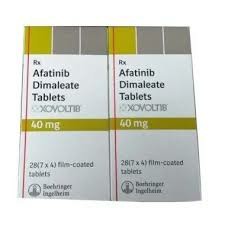
Clinical studies have shown that afatinib can significantly extend the progression-free survival of patients (PFS) and improve the objective response rate (ORR) in some people. Its irreversible binding mechanism allows it to block EGFR signals more completely, and drug resistance appears later. In addition, afatinib can penetrate the blood-brain barrier to a certain extent and has a better control effect on patients with brain metastases. Compared with chemotherapy, its side effects are relatively mild and will not cause common chemotherapy reactions such as obvious hair loss and bone marrow suppression. Therefore, it is widely recognized as one of the targeted therapeutic drugs in the context of precision medicine.
Although the efficacy of afatinib is accurate, patients should undergo genetic testing under the guidance of a doctor to confirmEGFRThe type of mutation should be determined before using the drug to avoid ineffective treatment. Common adverse reactions include diarrhea, rash, stomatitis, etc. Most of them are mild to moderate and can be alleviated by adjusting the dose or symptomatic treatment. Patients should avoid co-administration with strong CYP3A4 inducers or inhibitors while taking the drug to avoid affecting drug concentration. Overall, afatinib maleate tablets are a highly selective and highly targeted anti-tumor drug, suitable for patients with EGFR mutant lung cancer and related cancers, and provide a reliable clinical solution for precision treatment.
Reference materials:https://www.drugs.com/
[ 免责声明 ] 本页面内容来自公开渠道(如FDA官网、Drugs官网、原研药厂官网等),仅供持有医疗专业资质的人员用于医学药学研究参考,不构成任何治疗建议或药品推荐。所涉药品可能未在中国大陆获批上市,不适用于中国境内销售和使用。如需治疗,请咨询正规医疗机构。本站不提供药品销售或代购服务。


