
.jpeg)
Is ixazomib (Enleri) required to be taken for a long time and its safety?
Ixazomib (Ixazomib) is an oral reversible proteasome inhibitor mainly used to treat patients with multiple myeloma (Multiple Myeloma, MM). Its mechanism of action is to inhibit the activity of 26S proteasome, block the protein degradation pathway in cancer cells, lead to the accumulation of abnormal proteins, induce myeloma cell apoptosis, and inhibit tumor cell proliferation and survival signals. As an oral proteasome inhibitor, ixazomib provides patients with a more convenient treatment method than injectable proteasome inhibitors, and can be used in combination with other drugs (such as lenalidomide and dexamethasone) to improve the overall efficacy.
In clinical application, ixazomib is usually used long-term in the form of maintenance therapy or combination therapy. Multiple myeloma is a chronic relapsing malignant disease, and there is still a risk of recurrence even after chemotherapy or stem cell transplantation. Clinical studies have shown that long-term low-dose ixazomib maintenance therapy combined with other drugs can significantly prolong progression-free survival (PFS) and overall survival (OS), and reduce the chance of disease recurrence. Therefore, long-term maintenance use of ixazomib is a routine regimen for patients who have received initial induction therapy and achieved remission to maintain disease stability and delay relapse.
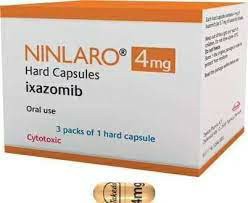
Long-term use of ixazomib is generally well tolerated, but there is still a certain risk of adverse reactions, which requires strict monitoring and management. Common adverse reactions include gastrointestinal reactions (nausea, diarrhea, vomiting), hematological toxicity (neutropenia, thrombocytopenia), peripheral neuropathy, and fatigue. Most adverse reactions are mild to moderate and can be alleviated by dose adjustment, temporary drug discontinuation or symptomatic treatment. During long-term use, patients should conduct regular blood routine, liver and kidney function and nervous system assessments in order to detect and deal with adverse reactions in a timely manner. For patients with previous severe hepatic and renal insufficiency or risk of infection, it should be used with caution under the guidance of a doctor.
In order to ensure the safety and efficacy of long-term medication, clinicians usually make individualized dose adjustments based on patient tolerance. Patients must strictly follow the doctor's instructions and must not stop taking the medicine or increase or decrease the dose at will. It is best to take the medicine at a fixed time, on an empty stomach or with a light meal to ensure stable absorption of the medicine. At the same time, patients should pay attention to lifestyle management, such as a balanced diet, regular work and rest, and avoiding infections and nephrotoxic drugs to reduce the risk of complications. Long-term use of ixazomib can effectively maintain disease control and prolong survival in patients with multiple myeloma. At the same time, through standardized management and monitoring, the risk of adverse reactions can be minimized, allowing patients to maintain a good quality of life while achieving curative effect.
Overall, ixazomib, as an oral proteasome inhibitor, is suitable for long-term maintenance treatment of patients with multiple myeloma. Through reasonable dosage, standardized management and regular monitoring, its long-term use can not only extend the survival period of patients, but also maintain a high level of safety. Clinically, ixazomib provides a convenient, efficient and sustainable treatment option for patients with multiple myeloma by combining individualized solutions and combination therapy.
Reference materials:https://www.drugs.com/
[ 免责声明 ] 本页面内容来自公开渠道(如FDA官网、Drugs官网、原研药厂官网等),仅供持有医疗专业资质的人员用于医学药学研究参考,不构成任何治疗建议或药品推荐。所涉药品可能未在中国大陆获批上市,不适用于中国境内销售和使用。如需治疗,请咨询正规医疗机构。本站不提供药品销售或代购服务。


