
.jpeg)
Which class of drugs does Anagrelide belong to and its clinical treatment positioning and scope of application?
Anagrelide (Anagrelide) is an oral small molecule drug mainly classified as a platelet production inhibitor. It reduces the risk of thrombosis by lowering the platelet count in the blood by inhibiting megakaryocyte differentiation and platelet production. Unlike traditional chemical drugs, anagrelide precisely intervenes in the process of platelet production, so it has a unique mechanism of action in the treatment of hyperplateletism or related blood diseases.
In clinical practice, anagrelide is mainly used in patients with essential thrombocythemia (Essential Thrombocythemia, ET), especially high-risk patients with thrombotic risk or persistently elevated platelet counts. Compared with drugs such as interferon or hydroxyurea, anagrelide has a faster onset of action and platelet control effect in some patients, and can be used as a first-line or alternative treatment option. At the same time, anagrelide provides a new treatment option for patients who tolerate the adverse reactions of other drugs.
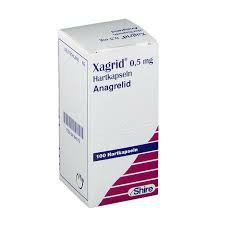
Anagrelide is suitable for adult ET patients, especially those with high risk of thrombosis (such as age older than 60 years old, previous history of thrombosis) or patients with significantly elevated platelets. During use, the dose needs to be gradually adjusted according to the platelet level to achieve the platelet control target (usually below 400×10⁹/L) while avoiding anemia or cardiovascular adverse reactions. Individualized dose adjustment and regular monitoring are keys to safe medication use.
Anagrelide provides an effective means of thrombosis risk management for ET patients by precisely inhibiting platelet production. Its oral dosage form facilitates long-term maintenance treatment and can control platelets while reducing the adverse reactions associated with traditional drugs. Overall, anagrelide has a clear positioning in the management of hematological diseases and is suitable for long-term treatment of patients with high platelet risk, providing a safe and effective clinical treatment option.
Reference materials:https://www.drugs.com/[ 免责声明 ] 本页面内容来自公开渠道(如FDA官网、Drugs官网、原研药厂官网等),仅供持有医疗专业资质的人员用于医学药学研究参考,不构成任何治疗建议或药品推荐。所涉药品可能未在中国大陆获批上市,不适用于中国境内销售和使用。如需治疗,请咨询正规医疗机构。本站不提供药品销售或代购服务。


