
.jpeg)
Safety precautions and contraindications you need to pay attention to while taking ensifentrine-Ohtuvayre
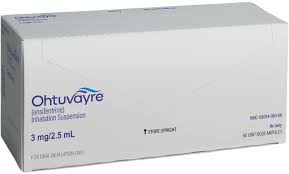
Ensifentrine (trade name Ohtuvayre) is a new inhaled dual phosphodiesterase (PDE3/4) inhibitor, used to treat chronic obstructive pulmonary disease (COPD) and related respiratory diseases. Its mechanism of action includes enhancing bronchial smooth muscle relaxation and improving airway patency through PDE3 inhibition; reducing airway inflammatory response through PDE4 inhibition and alleviating symptoms caused by inflammation. Compared with traditional bronchodilators, exefentine has both bronchodilator and anti-inflammatory effects and can be used to improve respiratory function, reduce the risk of acute exacerbations, and improve quality of life. Due to its unique mechanism of action, safe management during medication is particularly important.
Main safety considerations
1.Cardiovascular monitoring: PDE3Inhibitors may have effects on heart rate and blood pressure, especially in patients with a history of cardiac arrhythmias, heart failure, or hypertension. When using exefantine, heart rate, blood pressure and electrocardiogram should be monitored regularly. If symptoms such as palpitations, irregular heartbeat or chest tightness occur, seek medical attention immediately.
2.Respiratory symptom monitoring: Patients may experience slight cough, throat irritation or dryness in the early stages of use. If symptoms worsen or wheezing occurs, correct inhalation technique should be evaluated and acute infection or airway exacerbation events should be ruled out.
3.Medicine for drug inhalation: Exefentine is an inhalation preparation, and it is important to use the inhalation device correctly. Improper inhalation may result in reduced efficacy of the drug or local irritation. Patients should master inhalation techniques under the guidance of medical staff and keep their mouths and inhalation devices clean.
4. Concern about liver and kidney function: Although exefantine mainly acts locally, some drugs can be absorbed into the bloodstream, and long-term or high-dose use may affect liver and kidney function. It is recommended to use it with caution in patients with liver and kidney dysfunction and to monitor relevant indicators regularly.
Contraindications and caution for use
1. It is prohibited for patients who are allergic to drug ingredients: it is prohibited for patients with a history of allergy to ensefentin or excipients to prevent severe allergic reactions.
2. Use with caution in patients with severe cardiovascular disease: For example, patients with heart failure, arrhythmia or recent myocardial infarction should assess the risk under the guidance of a professional doctor and adjust the dose or suspend use if necessary.
3. Breastfeeding and pregnant women: There is currently a lack of sufficient safety data. Use during pregnancy and lactation should be avoided, or used with caution under professional guidance after weighing the pros and cons.
4.AcuteCOPDPatients in the exacerbation stage: The acute exacerbation stage needs to be combined with other standard treatments. Exefentine alone may not be enough to control symptoms, and comprehensive medication should be used under the guidance of a doctor.
5.Children and adolescents: There is still a lack of sufficient clinical data. It is not recommended for patients under the age of 18. If it is really necessary to use it, it should be strictly under the supervision of a physician.
Clinical management and medication guidance
1.Regular follow-up: Patients should have regular follow-up on respiratory function, symptom scores and occurrence of adverse events during medication. Early recognition of cardiovascular or respiratory abnormalities can reduce serious risks.
2.Combined drug management: Exefentine can be used in combination with inhaled glucocorticoids or long-acting bronchodilators, but attention must be paid to drug interactions to avoid adverse reactions caused by repeated PDE inhibition or excessive inhalation.
3.Lifestyle guidance: Quitting smoking, keeping the air clean and exercising moderately can enhance the efficacy of drugs and reduce the risk of acute exacerbation.
4. Coping with adverse reactions: Mild oropharyngeal irritation can be alleviated by gargling or reducing the frequency of spraying; severe cardiovascular or respiratory abnormalities should seek medical attention immediately, and the dose should be adjusted or discontinued according to the situation.
Ensefentine (Ohtuvayre), as a new inhaled PDE3/4 dual inhibitor, provides COPD patients with an innovative treatment option that can both relax the airways and fight inflammation. However, its potential risks to cardiovascular, respiratory tract, liver and kidneys require patients to strictly follow the medication instructions. By standardizing inhalation operations, regularly monitoring cardiopulmonary, liver and kidney functions, and assessing contraindications for special groups, drug safety can be effectively improved and efficacy maximized. In clinical practice, individualized management and early intervention are the keys to ensuring the long-term safe use of exefantine.
Reference materials:https://www.drugs.com/
[ 免责声明 ] 本页面内容来自公开渠道(如FDA官网、Drugs官网、原研药厂官网等),仅供持有医疗专业资质的人员用于医学药学研究参考,不构成任何治疗建议或药品推荐。所涉药品可能未在中国大陆获批上市,不适用于中国境内销售和使用。如需治疗,请咨询正规医疗机构。本站不提供药品销售或代购服务。


