
.jpeg)
What important information does the Lapatinib/Talisat package insert contain?
Lapatinib (Lapatinib) is a multi-target small molecule kinase inhibitor that mainly inhibits the tyrosine kinase activity of HER2 and EGFR and blocks related signaling pathways, thereby reducing the growth and proliferation of tumor cells. It is mostly used clinically for HER2-positive advanced or metastatic breast cancer, especially for patients whose disease has progressed after multiple lines of treatment.
1. Description of indications
1. Treatment population for combined use with capecitabine: Lapatinib is often combined with the oral chemotherapy drug capecitabine and is used for patients with HER2-overexpressing breast cancer who have recurred or progressed after receiving treatments such as anthracyclines, paclitaxel, and trastuzumab.
Such patients often undergo multiple lines of treatment and develop tolerance to existing drugs, and the combination of lapatinib and capecitabine may provide a new treatment option.
Before use, it should be confirmed that the patient's HER2 is overexpressed and disease progression after trastuzumab has been confirmed.
2. Combined with aromatase inhibitors for hormone receptor-positive HER2-positive patients: In postmenopausal women who are hormone receptor-positive and HER2-positive, lapatinib can be used in combination with aromatase inhibitors such as letrozole to achieve double blockade.
There is still a lack of direct comparative data with the "trastuzumab + chemotherapy" regimen. Therefore, the patient's condition, previous medication, and overall tolerability need to be considered when selecting a treatment method.
3. Restrictions on use outside of indications
There is no evidence to support the use of lapatinib in hormone receptor-positive breast cancer that progresses not due to HER2 overexpression;
Not recommended for use in unspecified HER2-positive tumors.
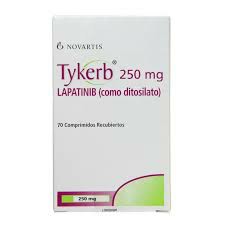
2. Recommended dosage and administration method
1. Dosage recommendations when combined with capecitabine
The common dose of lapatinib is Once daily 1250 mg (5 tablets);
The dose of capecitabine is calculated based on the body surface area, generally 2000 mg/m²/day, taken twice in the morning and evening. It is taken continuously for 14 days and then stopped for 7 days, forming a 21-day cycle.
Capecitabine must be taken with or within half an hour after a meal to improve tolerability.
2. Dosage in combination with aromatase inhibitors
For hormone receptor-positive HER2-positive patients, the dose of lapatinib is usually 1500 mg once daily;
The dose of letrozole is fixed at 2.5 mg once daily.
3. Tips and precautions for use
The daily dose is recommended to be taken at one time to avoid fluctuations in blood concentration caused by divided doses;
Must be used on an empty stomach: at least 1 hour before a meal, or at least 1 hour after a meal.
If cardiac adverse reactions, severe diarrhea, liver function abnormalities, or drug interactions involving CYP3A4 occur, the dose needs to be adjusted according to medical advice.
3. Overview of common adverse reactions
Side effects during treatment are related to the combination regimen and mainly include:
1. When used in combination with capecitabine: diarrhea, hand-foot syndrome, rash, nausea, vomiting, and fatigue; the occurrence rate of these reactions is relatively common in many studies and has a significant impact on the quality of life. Therefore, timely rehydration, skin care, and dosage reduction are required.
2. When combined with letrozole: diarrhea, nausea, rash, fatigue; overall tolerability is relatively better, but skin and gastrointestinal symptoms still need to be monitored.
4. Pharmacological mechanism and anti-tumor characteristics
Lapatinib is a quinazoline small molecule kinase inhibitor that can simultaneously block EGFR (ErbB1) and HER2 (ErbB2) signals, significantly inhibiting the growth of HER2-dependent tumor cells. Features include:
It can effectively block the activity of tyrosine kinases in tumor cell membranes and reduce subsequent signal transduction;
In vitro experiments show that it is related to the metabolite of capecitabine (5-FU) can produce synergistic or additive inhibitory effects and enhance anti-cancer effects;
It remains active in cell models resistant to trastuzumab, suggesting that there is no obvious cross-resistance between the two and can be used for further treatment after trastuzumab failure.
5. Storage method
It is recommended to store this product in a cool place below 30℃ to avoid moisture and strong light.
Reference materials:https://medlineplus.gov/druginfo/meds/a607055.html
[ 免责声明 ] 本页面内容来自公开渠道(如FDA官网、Drugs官网、原研药厂官网等),仅供持有医疗专业资质的人员用于医学药学研究参考,不构成任何治疗建议或药品推荐。所涉药品可能未在中国大陆获批上市,不适用于中国境内销售和使用。如需治疗,请咨询正规医疗机构。本站不提供药品销售或代购服务。


