
.jpeg)
Clinical evaluation of the therapeutic effect of Quizartinib
Quizartinib (Quizartinib), as a second-generation FLT3 inhibitor, is increasingly important in the global hematology field, especially in patients with acute myeloid leukemia (AML) carrying FLT3-ITD mutations. Its therapeutic potential has been recognized by more and more clinical experts. As a highly selective targeted drug, quizartinib can accurately target the abnormal activation signal of FLT3, weaken the proliferation ability of leukemia cells from the source, and reduce the resistance of tumor cells to traditional treatments. This mechanism also makes it one of the important treatment options recommended by international guidelines.
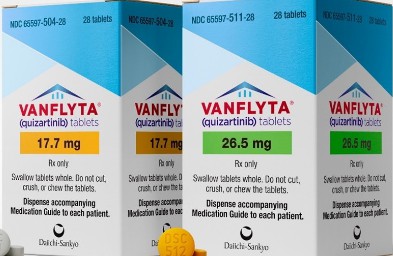
Judging from the trends observed in multiple studies, quizartinib has shown a more meaningful clinical improvement effect in refractory and relapsed patient groups, especially among those who have poor response to traditional chemotherapy. The therapeutic effect of quizartinib is mainly reflected in controlling disease progression, improving hematological indicators, and prolonging the patient's benefit period, etc., providing a feasible path of "precision targeting + systemic treatment" for clinical practice. Many overseas experts believe that the emergence of quizartinib has changed the past dilemma of limited treatment options for FLT3-ITD mutated AML, allowing patients to obtain a more stable and predictable disease management strategy.
Quizatinib is often combined with chemotherapy, hematopoietic stem cell transplantation, and maintenance therapy in the treatment path, and its effect is more significant in combination therapy. The drug's long-lasting inhibitory effect allows some patients to more smoothly enter the next stage of treatment after achieving remission, thus improving the overall success rate of long-term management. At the same time, due to the strong persistence of Quizartinib in inhibiting the FLT3 pathway, its ability to suppress mutated cells in long-term use is better than some early targeted drugs, providing a new intervention option for patients with a higher risk of recurrence.
Reference materials:https://go.drugbank.com/drugs/DB12874
[ 免责声明 ] 本页面内容来自公开渠道(如FDA官网、Drugs官网、原研药厂官网等),仅供持有医疗专业资质的人员用于医学药学研究参考,不构成任何治疗建议或药品推荐。所涉药品可能未在中国大陆获批上市,不适用于中国境内销售和使用。如需治疗,请咨询正规医疗机构。本站不提供药品销售或代购服务。


