
.jpeg)
Analysis of why long-term use of Stiripentol is not recommended
Stiripentol is an anti-epileptic drug with a special mechanism of action. It is commonly used to treat refractory epilepsy syndromes, especially Dravet syndrome. Because it can enhance the inhibitory effect of the gamma-aminobutyric acid (GABA) pathway and affect the metabolism of other anti-epileptic drugs by inhibiting multiple liver enzymes, it has irreplaceable value in combination therapy. However, it is generally pointed out in clinical practice that this drug is not suitable for long-term continuous use by all patients. The reasons involve multiple dimensions such as pharmacological properties, tolerance changes, and long-term toxicity assessment.
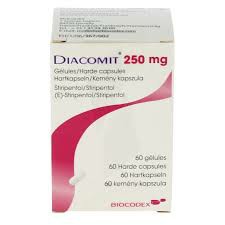
The metabolic characteristics of stiripentol can easily lead to accumulation of drug effects. The metabolism of this drug is highly dependent on the liver enzyme system, and it also has the ability to strongly inhibit CYP family enzymes. Once used for a long time, the blood concentration of the drug may increase abnormally, which may lead to a series of dose-related adverse reactions, such as obvious drowsiness, decreased movement coordination, and decreased appetite. This metabolic depressant effect can also lead to elevated concentrations of concomitantly used drugs such as clobazam and sodium valproate, thereby increasing the risk of toxicity and making long-term management more challenging.
Long-term use may easily lead to tolerance changes or weakened nervous system responses. Some overseas follow-up data show that the anticonvulsant effect may fluctuate in some patients after using it for more than one year, suggesting that there may be adaptive changes in neuroregulatory pathways. Such changes are not absolute, but they are enough to remind clinicians to regularly evaluate the efficacy rather than blindly extending the duration of treatment.
Long-term use of stiripentol also requires attention to the effects on growth and development. Because this drug is often used in pediatric patients, long-term appetite loss, limited weight growth, and gastrointestinal reactions may interfere with normal development, and insufficient nutritional intake is more likely to occur especially in combined anti-epileptic drug treatment. Therefore, guidelines from many countries recommend regular evaluation after symptom control is achieved, and the dose can be lowered if necessary to avoid meaningless extension of the treatment course.
Reference materials:https://www.diacomit.com/
[ 免责声明 ] 本页面内容来自公开渠道(如FDA官网、Drugs官网、原研药厂官网等),仅供持有医疗专业资质的人员用于医学药学研究参考,不构成任何治疗建议或药品推荐。所涉药品可能未在中国大陆获批上市,不适用于中国境内销售和使用。如需治疗,请咨询正规医疗机构。本站不提供药品销售或代购服务。


