
.jpeg)
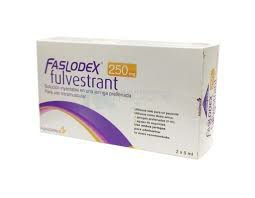
Fulvestrant/Fulvestrant Instructions Contents and Instructions for Use
Fulvestrant (Fulvestrant) is a selective estrogen receptor degrader (SERD), mainly used to treat patients with hormone receptor (HR)-positive, HER2-negative advanced or metastatic breast cancer, especially postmenopausal women. As an important component of endocrine therapy, fulvestrant blocks the growth-promoting effect of estrogen on tumor cells by competitively binding to estrogen receptors and promoting their degradation, while avoiding partial agonistic effects, allowing it to still exert anti-tumor effects in patients resistant to tamoxifen or aromatase inhibitors.
1. Indications
Fulvestrant can be used alone or in combination withCDK4/6 inhibitors. Single-agent indications include postmenopausal women with HR-positive, HER2-negative advanced breast cancer. It is suitable for treatment-naive patients who have not received endocrine therapy, and for patients whose disease has progressed after previous endocrine therapy. In terms of combination medication, fulvestrant can be combined with ribociclib for initial or subsequent treatment of HR-positive, HER2-negative advanced or metastatic breast cancer; it can also be combined with palbociclib or abemaciclib for patients with disease progression after previous endocrine therapy to achieve a comprehensive anti-tumor effect. This combination regimen can delay disease progression, improve patients' quality of life, and provide a new option for patients who are resistant or refractory to endocrine therapy.
2. Usage and dosage
The standard dose is 500mg each timeUsing intramuscular injection. The injection is divided into two parts, one for each hip. Each injection takes 1-2 minutes to ensure slow absorption of the drug. The frequency of administration is day 1, day 15, day 29 of the treatment period, and monthly maintenance injections thereafter. For patients with moderate hepatic impairment, the recommended dose is 250 mg each time, also administered intramuscularly, and following the same injection interval and frequency. The injection site should be used alternately on both sides of the buttocks to avoid local irritation, and the patient should be observed for allergies or local reactions after the injection.
3. Adverse reactions
The adverse reactions of fulvestrant are mainly related to injection administration and the effects of the drug itself. Common reactions include injection site pain, nausea, bone and joint pain, headache, back pain, fatigue, limb pain, heat flashes, vomiting, anorexia, weakness, musculoskeletal pain, cough, dyspnea, and constipation. It is worth noting that more than 15% of patients experienced increases in liver function indicators (ALT, AST, ALP) during treatment, but no dose dependence was found. Liver function needs to be monitored regularly during clinical use, especially when drugs that may affect liver metabolism are used in combination.
4. Pharmacological mechanism
Fulvestrant is a competitive estrogen receptor antagonist with an affinity comparable to natural estradiol. By binding to the estrogen receptor, fulvestrant blocks the growth-promoting signals of estrogen and promotes the degradation of ER proteins, making them unable to function in the nucleus. In vitro studies have shown that fulvestrant can inhibit the growth of tamoxifen-resistant and estrogen-sensitive breast cancer cells, and its anti-tumor effects have also been verified in in vivo animal models, including delaying the growth of MCF-7 cell xenograft tumors in nude mice. Fulvestrant showed significant inhibitory effects on implanted xenografts and tamoxifen-resistant breast tumors, suggesting that it still has clinical value in drug-resistant patients.
In postmenopausal women, clinical trials have shown that fulvestrant can significantly downregulateER protein levels in ER-positive tumors while reducing progesterone receptor expression without producing estrogen agonism. In neoadjuvant therapy, the 500 mg dose was more effective in reducing levels of ER and the proliferation marker Ki67 and had a stronger inhibitory effect than the 250 mg dose. Fulvestrant blocks estrogen signaling by reducing receptor levels, causing tumor cells to lose their growth drive, thereby delaying disease progression.
5. Precautions for use
Injections should be performed under the guidance of professional medical personnel to avoid local injection reactions.
Patients with moderate hepatic impairment require dose adjustment and close monitoring of liver function.
When combined with CDK4/6 inhibitors, attention should be paid to hematological indicators and liver function.
Injection site reactions, liver function abnormalities and systemic adverse reactions should be monitored during medication.
Pregnant and lactating women should avoid use as the drug may have potential effects on the fetus or infant.
6. Storage conditions
Fulvestrant should be stored in a refrigerator at 2℃-8℃, away from light. Prefilled syringes should be kept in their original packaging to ensure drug stability and effectiveness. Patients and medical staff should follow strict storage and handling guidelines when using it to ensure drug efficacy and safety.
Fulvestrant, as a new estrogen receptor degrader, plays an important role inthe treatment of HR-positive, HER2-negative advanced or metastatic breast cancer. Its unique mechanism of action makes it still effective in patients who are resistant to tamoxifen or aromatase inhibitors, and significant clinical benefits can be achieved when used alone or in combination with CDK4/6 inhibitors.
Reference materials:https://medlineplus.gov/druginfo/meds/a607031.html
[ 免责声明 ] 本页面内容来自公开渠道(如FDA官网、Drugs官网、原研药厂官网等),仅供持有医疗专业资质的人员用于医学药学研究参考,不构成任何治疗建议或药品推荐。所涉药品可能未在中国大陆获批上市,不适用于中国境内销售和使用。如需治疗,请咨询正规医疗机构。本站不提供药品销售或代购服务。


