
.jpeg)
Adverse reaction treatment methods and safe medication guide for DaliRasheng (Keweike)
Daridorexant is a new type of dual orexin receptor (orexin receptor) antagonist, mainly used for the treatment of insomnia in adults. Its mechanism of action is to selectively inhibit the orexin 1 type (OX1R) and 2 type (OX2R) receptors, reducing the activity of the arousal system, thereby helping patients fall asleep faster and extend the duration of sleep. Compared with traditional benzodiazepines, Daliramen has the characteristics of rapid onset of action, moderate half-life, and better daytime alertness. Oral administration is usually performed before bedtime. In order to ensure drug absorption and efficacy, it is recommended that patients take it 30 minutes to 1 hours before bedtime, and maintain 7–8 hours of sleep.
Clinical studies have shown that common adverse reactions of DaliRazen include daytime drowsiness, dizziness, fatigue, headache and a small amount of nausea or dry mouth. Mild drowsiness or fatigue usually gradually lessens after several days to weeks of continuous use and can be relieved by adjusting the medication time or ensuring adequate sleep. If symptoms persist or affect daily life, the doctor should be informed in time and the dose should be adjusted or the time interval between waking up should be extended under the guidance of the doctor. For occasional headaches or mild nausea, over-the-counter analgesics or anti-nausea drugs can be used, but attention should be paid to drug-drug interactions and avoid simultaneous use with other central nervous system depressant drugs to reduce the risk of additive side effects.
Although rare, Dalitrazolin may cause memory impairment, abnormal behavior, hallucinations, falls, or coordination disorders, with the risk being increased particularly in elderly patients or when multiple centrally depressant drugs are used concurrently. When these symptoms occur, you should stop taking the medicine immediately and seek medical advice promptly. Clinically, it is recommended that patients avoid driving, operating machinery, or engaging in high-risk activities during the first use of DaliRasen or during dose adjustment until it is confirmed that they are well tolerated by the drug. In addition, patients with a history of mental illness or cognitive dysfunction should be used under the guidance of a doctor, and mental status and behavioral changes should be regularly evaluated.
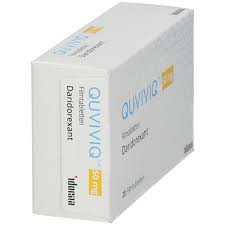
DaliRasen usually starts with the lowest effective dose, such as the conventional adult dose of 25mg or 50mg, and is gradually adjusted according to the patient's response to sleep improvement and tolerance. The elderly and patients with impaired liver or kidney function should use it with caution and adjust the dose under the guidance of a doctor to prevent excessive drowsiness or cognitive impairment caused by excessive blood concentration. Patients should maintain a fixed schedule during medication and avoid overexertion at night to improve drug efficacy and reduce the occurrence of adverse reactions.
Pay attention to potential drug interactions when using Dalirasin in combination with other drugs. In particular, concurrent use with other CNS depressant drugs (such as benzodiazepines, barbiturates, antidepressants, and alcohol) may cause daytime drowsiness, unresponsiveness, or respiratory depression. For patients who use multiple drugs for a long time, doctors should evaluate the risk of drug interactions and adjust the dosage or change the medication regimen if necessary. In addition, hepatic enzyme inducers or inhibitors may affect the metabolism of dalirasin, and the dosing frequency or dosage needs to be adjusted under the guidance of a doctor.
During treatment, patients should regularly evaluate sleep quality, daytime alertness, cognitive status, and possible adverse reactions. For patients who are using it for the first time, you can start with a low dose and observe the efficacy and tolerability for 11–2 weeks before deciding whether to adjust the dose. Elderly patients and those with co-morbidities should be closely monitored for fall risk, memory function, and mental status. Patients should also be careful to avoid concurrent use with alcohol or other sedative drugs, and maintain a regular schedule and good sleep hygiene to improve efficacy and reduce safety risks.
Taken together, as a new orexin receptor antagonist, Dalitrazolin shows high efficacy and good tolerability in improving difficulty falling asleep and maintaining sleep. Common adverse reactions are mostly mild to moderate and can be managed by adjusting dosage, medication time and lifestyle. For the elderly, patients with abnormal liver and kidney function, or patients taking multiple central depressant drugs at the same time, the dose should be adjusted individually and monitored closely. Through scientific management and regular follow-up, DaliRasen can effectively improve the quality of life of insomnia patients while ensuring safety.
Reference materials:https://www.drugs.com/
[ 免责声明 ] 本页面内容来自公开渠道(如FDA官网、Drugs官网、原研药厂官网等),仅供持有医疗专业资质的人员用于医学药学研究参考,不构成任何治疗建议或药品推荐。所涉药品可能未在中国大陆获批上市,不适用于中国境内销售和使用。如需治疗,请咨询正规医疗机构。本站不提供药品销售或代购服务。


