
.jpeg)
What diseases is Apalutamide (Ansenko) mainly used to treat and its clinical scope of application?
Apalutamide (Apalutamide) is an oral non-steroidal androgen receptor inhibitor (AR inhibitor), which inhibits the proliferation and growth of cancer cells by selectively blocking the activation of androgen receptor (AR) in prostate cancer cells. Different from traditional endocrine therapy, apalutamide can directly act on the AR signaling pathway, preventing androgen from binding to the receptor and preventing the receptor from translocating into the nucleus to play a role. It has a significant effect on prostate cancer, especially non-metastatic castration-resistant prostate cancer (nmCRPC).
The primary indication for apalutamide is non-metastatic castration-resistant prostate cancer (nmCRPC). After such patients receive castration treatment (such as surgical resection or drug-chemical castration), the serum prostate-specific antigen (PSA) level continues to increase, but imaging examinations have not found distant metastasis. Clinical studies have shown that apalutamide can significantly prolong distant metastasis-free survival (MFS), slow down disease progression, and improve patients' quality of life. It is an important standard treatment for this type of patients.
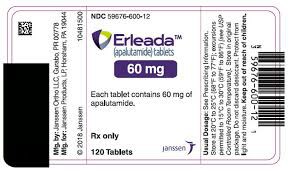
In addition tonmCRPC, apalutamide also has research and application value in patients with metastatic castration-sensitive prostate cancer (mCSPC). In mCSPC, apalutamide can be used in combination with castration therapy (ADT) to significantly extend overall survival (OS) and reduce the incidence of cancer-related events. Its advantage is that it can control ARAR signals in the early stages of systemic treatment, inhibit tumor spread, and at the same time synergize with castration therapy to optimize the treatment effect. In addition, apalutamide may also be used as a second-line or maintenance treatment option for patients with prostate cancer that is resistant to traditional endocrine therapy.
In clinical use, apalutamide is recommended to be taken orally once a day, and the dose can be adjusted according to the patient's age, weight, and liver and kidney function. During use, blood pressure, thyroid function, skin reactions and serum PSA levels need to be monitored to evaluate efficacy and safety. Patients with a history of cardiovascular disease should pay attention to cardiac safety, and patients with low bone density should pay attention to the risk of fractures. In addition, apalutamide can be used in combination with other medications, but be aware of potential drug interactions. Overall, apalutamide shows good efficacy and safety in both non-metastatic and metastatic prostate cancer, providing a standardized and targeted treatment plan for patients with prostate cancer at different stages.
Apalutamide as a newAR inhibitors achieve effective control of prostate cancer cells by highly selectively inhibiting androgen receptor activity. Its main indications include non-metastatic castration-resistant prostate cancer, but it also shows potential application in metastatic castration-sensitive prostate cancer and drug-resistant patients. Through scientific management of medication, individualized dose adjustment and regular monitoring, apalutamide can prolong survival while ensuring patient safety, making it an important drug choice for the clinical treatment of prostate cancer.
Reference materials:https://www.drugs.com/[ 免责声明 ] 本页面内容来自公开渠道(如FDA官网、Drugs官网、原研药厂官网等),仅供持有医疗专业资质的人员用于医学药学研究参考,不构成任何治疗建议或药品推荐。所涉药品可能未在中国大陆获批上市,不适用于中国境内销售和使用。如需治疗,请咨询正规医疗机构。本站不提供药品销售或代购服务。


