
.jpeg)
Reference for the treatment course and medication time of Lynparza (Lipzo) in the treatment of ovarian cancer
Olaparib is an oral PARP inhibitor that can cause ovarian cancer cells carrying BRCA1/2 mutations to accumulate DNA damage and induce cell death by inhibiting the DNA repair mechanism. It is mainly used for the maintenance treatment of recurrent ovarian cancer, fallopian tube cancer and primary peritoneal cancer, especially for patients who have achieved remission after receiving platinum-based chemotherapy. Its oral administration is convenient, highly targeted, and shows obvious advantages in prolonging progression-free survival (PFS).
The clinically recommended course of olaparib treatment is long-term maintenance treatment until disease progression or intolerable adverse reactions occur. For patients carrying BRCA mutations, take 300 mg orally twice daily; for patients without mutations, the dose can be adjusted based on physician evaluation. Generally, patients need to continue taking medication every 28 days as a course of treatment, and the efficacy is evaluated through regular imaging examinations. Some clinical trials have shown that progression-free survival can be significantly prolonged for patients who receive continuous maintenance therapy for more than 12 months.
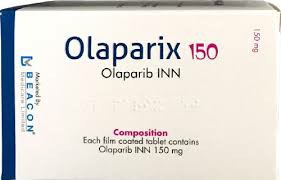
Lynparza should be taken regularly according to the doctor's instructions. It is recommended to take the medicine at a fixed time twice a day. It can be taken with meals or on an empty stomach to improve compliance. Patients need to regularly monitor blood routine, liver and kidney function, and symptom changes while taking the drug. Especially in the early stages of treatment, they should pay attention to side effects such as thrombocytopenia, anemia, or gastrointestinal discomfort. If severe toxicity occurs, intervention can be carried out through short-term drug discontinuation or dose reduction to ensure the safe continuation of the treatment course.
During the treatment, imaging review is usually performed every 2 to 3 months, including CT or MRI to determine changes in tumor size and efficacy. For patients with good efficacy and good tolerance, maintenance treatment can be continued; if the disease progresses or side effects are severe, the dose needs to be adjusted or the treatment plan needs to be changed. Clinical practice has shown that individual treatment course adjustment, regular review and strict compliance with medical instructions are the keys to achieving the best efficacy and safety of olaparib in long-term maintenance treatment of ovarian cancer.
Reference materials:https://www.drugs.com/
[ 免责声明 ] 本页面内容来自公开渠道(如FDA官网、Drugs官网、原研药厂官网等),仅供持有医疗专业资质的人员用于医学药学研究参考,不构成任何治疗建议或药品推荐。所涉药品可能未在中国大陆获批上市,不适用于中国境内销售和使用。如需治疗,请咨询正规医疗机构。本站不提供药品销售或代购服务。


