
.jpeg)
Analysis of the treatment plan of Asnib/Assiminib (Sinbel) for newly diagnosed Ph+CML
1. Treatment background of newly diagnosed Ph+ CML
Chronic myeloid leukemia is a malignant clonal disease of hematopoietic stem cells characterized by the BCR-ABL fusion gene, and Ph+ is its main molecular marker. Traditional treatments are based on tyrosine kinase inhibitors (such as imatinib, dasatinib, and nilotinib). These drugs competitively bind to the ATP binding site of ABL kinase, block the BCR-ABL signaling pathway, and inhibit leukemia cell proliferation. Although first- and second-generation TKIs have significantly improved the survival rate of CML patients, there are still problems such as drug resistance, off-target side effects, and long-term treatment burden. Therefore, there is still a need to explore safer and more effective initial treatments for newly diagnosed patients. Asnibu's unique mechanism provides new possibilities for this demand.
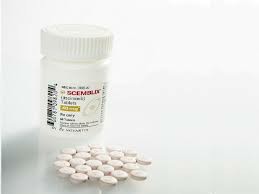
Asnib targets the sarcomylation pocket of BCR-ABL, putting the ABL enzyme in an autoinhibitory state, thereby blocking the signaling of leukemia cells. This mechanism is different from traditional ATP-competitive TKIs, so it can effectively overcome BCR-ABL mutations that are resistant to ATP sites, such as some patients with T315I resistance mutations. Compared with traditional TKIs, Asnib has the following advantages:
1. High selectivity and low off-target toxicity: Because it only targets the sarcosyl pocket, it has little impact on non-tumor cells, reducing the risk of cardiovascular, liver and kidney toxicity.
2. Overcome drug-resistant mutations: It can be used for some patients who are resistant to first- and second-generation TKIs, helping early intervention and improving molecular remission rates.
3. Convenient oral administration: facilitates long-term treatment management and improves patient compliance.
These properties make asnib a potential first-line treatment option in patients with newly diagnosed Ph+ CML, especially those with tolerability concerns or those at risk for mutations.
3. Analysis of treatment options for newly diagnosed Ph+ CML
In patients with newly diagnosed Ph+ CML, asinib can be used as a single-agent first-line treatment regimen, usually starting with a starting dose of 40 mg twice daily and adjusted based on tolerability and efficacy. The design principles of the treatment plan include:
1. Early molecular monitoring: BCR-ABL transcript level detection and gene mutation analysis are performed before treatment, molecular response (MMR, MR4, etc.) is assessed every 3 months, and the dose is adjusted or combined with other TKIs based on the response.
2. Individualized adjustment of dose: If the patient experiences grade ≥3 hematological toxicity or liver and kidney function abnormalities, the drug can be temporarily discontinued or the dose can be reduced to 20 mg twice a day, and dynamically adjusted according to the recovery of blood routine and liver and kidney functions.
3. Exploration of combination strategies: Some studies have tried to combine asinib with low-dose imatinib in newly diagnosed patients in order to achieve rapid and deep molecular remission while reducing the toxicity of high-dose single drugs, but this needs to be implemented under the guidance of clinical trials.
4. Long-term maintenance and follow-up: After molecular remission reaches a stable state, maintenance treatment can be considered to reduce the risk of recurrence. At the same time, blood routine, liver and kidney function and molecular indicators are regularly reviewed to ensure efficacy and safety.
5. For clinicians, using asinib as a first-line drug for newly diagnosed Ph+ CML requires developing an individualized plan based on the patient's age, tolerance, complications and economic conditions. The initial treatment goals are to achieve early molecular response (EMR), mid-term complete cytological response (CCyR) and long-term maintenance of deep molecular response to optimize survival prognosis.
4. Efficacy evaluation and future development direction
Clinical data show that asinib can achieve rapid BCR-ABL inhibition and good molecular response rate in newly diagnosed patients, with controllable side effects. Future research directions mainly include:
1. Long-term efficacy and safety tracking: Evaluate the cardiovascular, liver, kidney, and hematological toxicity of asinib during long-term use, and optimize the maintenance dose.
2. Combination treatment strategy: Explore combination options with other TKIs, immunotherapy or stem cell transplantation to improve the efficacy of patients with drug-resistant mutations.
3. Early predictive markers: Screen high-risk patients through genomics, proteomics and other means to achieve precise and personalized treatment.
4. Resistance management: Early intervention strategies targeting T315I and other highly resistant mutations will further improve the long-term survival rate of newly diagnosed patients.
In summary, asinib provides a new, controllable and highly selective treatment option for patients with newly diagnosed Ph+ CML. Its unique mechanism of action and low off-target properties have significant advantages in improving efficacy and reducing toxicity. Combined with molecular monitoring, individualized dose adjustment and long-term maintenance strategies, asinib is expected to become an important part of the first-line treatment of CML in the future, bringing better long-term prognosis and quality of life to patients.
Reference: https://www.drugs.com/
[ 免责声明 ] 本页面内容来自公开渠道(如FDA官网、Drugs官网、原研药厂官网等),仅供持有医疗专业资质的人员用于医学药学研究参考,不构成任何治疗建议或药品推荐。所涉药品可能未在中国大陆获批上市,不适用于中国境内销售和使用。如需治疗,请咨询正规医疗机构。本站不提供药品销售或代购服务。


