
.jpeg)
Analysis of the difference in efficacy between Quizartinib and Midostaurin
Quizartinib(Quizartinib) and Midostaurin are both targeted drugs for FLT3-mutated acute myeloid leukemia (AML). However, there are significant differences in their mechanism of action, selectivity, applicable population and clinical use logic. They are currently a group of drugs that are highly discussed in the field of international hematological tumors. Distinguishing these two targeted drugs can help patients understand their different positions in treatment strategies, and can also help doctors make more precise choices in individualized plans.
From the perspective of target selectivity, this is one of the core differences between the two. Overseas research data shows that quizartinib is a highly selective FLT3 inhibitor that mainly targets FLT3-ITD mutations and reduces the proliferation of leukemia cells by inhibiting abnormal signaling pathways. Its design concept aims at "more precision and concentration", so it is more focused on receptor selectivity. Midostaurin is called a multi-target inhibitor, and its target range not only includes FLT3, but also covers multiple molecular pathways such as KIT, PDGFR, and VEGFR. This multi-target structure makes it more broadly applicable in the treatment of newly diagnosed AML, but is relatively less selective for FLT3 than quizartinib.
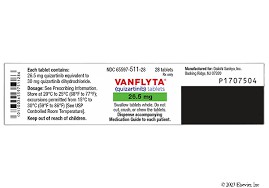
In terms of applicable stages and treatment strategies, we can also see different layouts of the two drugs. Midostaurin is commonly used in newly diagnosed AML with FLT3 mutations, often in combination with chemotherapy regimens. Its positioning is more towards the “basic combined program” and is part of the early systemic treatment. Quizartinib emphasizes “patient groups with FLT3-ITD as the core characteristics” in multiple overseas guidelines, and its role is mostly focused on treating specific mutation groups and some relapsed and refractory scenarios. Because it is more specific to mutation subtypes, it is a more precise choice in targeted therapy.
Extending from the characteristics of the drug mechanism to the trend of efficacy, it can be seen that the two have different advantages in different groups of people. Midostaurin's multi-target structure allows it to help improve overall disease control in combination chemotherapy, synergizing with traditional regimens. The biggest feature of quizartinib is its highly effective inhibitory ability against FLT3-ITD mutations. The core goal of its design is to improve the effect of targeted therapy in high-risk patient groups with specific mutations. Therefore, when discussing differences in efficacy, we cannot simply evaluate "which one is stronger", but should make a choice based on the type of mutation, disease stage, and previous treatment.
There are also differences between the two in terms of drug tolerance. Because midostaurin has a wider target coverage, it may cause adverse reactions related to multiple pathways, while quizartinib has also shown to be more precise because of its more precise effect Adverse reaction characteristics mainly related to FLT3-related mechanisms. However, in general, both need to adjust the plan according to the patient's constitution, comorbidities and drug metabolism under the guidance of professional doctors, which is also something commonly emphasized in overseas guidelines.
From the perspective of global usage, the two drugs are in different market positioning. Midostaurin entered the international market earlier and is suitable for a wider group of people newly diagnosed with AML, so it has rich experience in use. Quizartinib, as a more focused FLT3 inhibitor, often appears in precision treatment programs targeting high-risk mutation subtypes, and has gradually become an important choice for specific groups of people internationally. Overall, Quizartinib is more of a "highly selective targeted approach", while Midostaurin is more similar to "the cornerstone of multi-pathway combination therapy".
Reference materials:https://go.drugbank.com/drugs/DB12874
[ 免责声明 ] 本页面内容来自公开渠道(如FDA官网、Drugs官网、原研药厂官网等),仅供持有医疗专业资质的人员用于医学药学研究参考,不构成任何治疗建议或药品推荐。所涉药品可能未在中国大陆获批上市,不适用于中国境内销售和使用。如需治疗,请咨询正规医疗机构。本站不提供药品销售或代购服务。


