
.jpeg)
What is the resistance status of lapatinib/telisa and what are the risks?
Lapatinib (Lapatinib) is an important oral targeted drug for the treatment of HER2-positive breast cancer. Its efficacy has been widely recognized clinically, but there is still a risk of drug resistance during long-term use. The formation of drug resistance is mainly related to the adaptation of tumor cells to target inhibition, activation of downstream signaling pathways, and changes in the cellular environment. Overseas studies have shown that some patients may experience a decline in efficacy after multiple cycles of continuous treatment, manifested by no longer shrinking the tumor size or the emergence of new metastatic lesions.
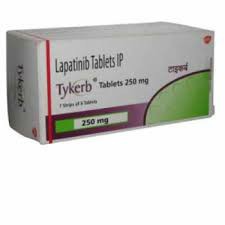
The mechanism causing resistance to lapatinib is complex. On the one hand, theHER2 target itself may undergo structural or expression changes, leading to a decrease in drug binding ability. On the other hand, tumor cells may bypass HER2 inhibition and maintain proliferation and viability through bypass activation of downstream signaling pathways such as PI3K/AKT and MAPK. In addition, tumor heterogeneity is also an important factor in the risk of drug resistance. Different lesions or cell subpopulations may have different sensitivities to lapatinib, resulting in weakened drug efficacy in some areas.
The risk of drug resistance not only affects the efficacy, but may also increase the accumulation of adverse reactions in patients. During long-term treatment, reactions such as abnormal liver function, rash, and diarrhea may be aggravated in the context of drug resistance or fluctuations in blood drug concentrations. Therefore, doctors usually recommend regular monitoring of tumor response, imaging indicators and blood biochemical indicators when using lapatinib, so as to identify signs of drug resistance early and adjust treatment plans.
Strategies to deal with drug resistance include combining other targeted drugs, adjusting dosage regimens, or switching treatment lines. For example, when efficacy declines, combination with hormonal therapy or chemotherapy can be considered to delay the occurrence of drug resistance. At the same time, some patients are trying next-generation HER2 inhibitors or antibody-drug conjugates in clinical trials to gain new treatment opportunities. Overall, drug resistance is not unmanageable. Through scientific monitoring and individualized adjustments, lapatinib can still provide patients with effective anti-tumor control.
Reference materials:https://medlineplus.gov/druginfo/meds/a607055.html
[ 免责声明 ] 本页面内容来自公开渠道(如FDA官网、Drugs官网、原研药厂官网等),仅供持有医疗专业资质的人员用于医学药学研究参考,不构成任何治疗建议或药品推荐。所涉药品可能未在中国大陆获批上市,不适用于中国境内销售和使用。如需治疗,请咨询正规医疗机构。本站不提供药品销售或代购服务。


