
.jpeg)
The main functions and common side effects of Seladelpar
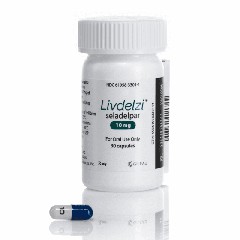
Seladelpar (Seladelpar) is an innovative oral drug that has received widespread attention in the field of global hepatology. It is mainly used to treat primary biliary cholangitis (PBC) . As a class of selective PPAR-delta (peroxisome proliferator-activated receptor delta) agonists, it represents a key breakthrough in the treatment of cholestatic diseases. In the past, the treatment of PBC mainly relied on traditional drugs such as ursodiol. However, some patients do not respond well to basic treatments or have persistent symptoms. Therefore, new drugs with more precise targets and better tolerability are still needed.
It is in this context that Siladepa has gained attention. It provides new possibilities for patients who cannot benefit from traditional treatments by regulating bile metabolism, inflammatory response and fibrosis process. Its core functions are mainly reflected in three levels:
First of all, in terms of cholestasis, Siladepa can enhance the regulation of bile acid homeostasis by activating PPAR-δ, promote bile excretion and reduce the retention of toxic bile acids in the liver, thereby improving laboratory indicators related to cholestasis. Secondly, in terms of inflammation control, its role in regulating lipid metabolism and inflammatory signaling can reduce the progression of bile duct injury and reduce the stress on hepatocytes caused by persistent bile duct inflammation. Third, it has also attracted much attention in improving the itching symptoms related to PBC. Some overseas data believe that it may indirectly improve the quality of life of patients after regulating the metabolism of the hepatobiliary system.
In addition, a question that many patients are most concerned about is: Can Siladepa slow the progression of liver fibrosis? Judging from its mechanism, the PPAR-δ pathway is closely related to the regulation of fibrosis, so Siladepa is considered to have potential benefits in this regard. However, the academic community currently emphasizes its first-line value of "improving cholestasis and symptoms" rather than directly reversing fibrosis, so patients need to maintain scientific expectations when understanding its efficacy.
Regarding common side effects, Siladepa is generally well tolerated, but because it is a systemic metabolism-regulating drug, some patients may experience mild to moderate discomfort during the initial period of use. The most common side effects include abdominal discomfort, mild gastrointestinal reactions, changes in appetite, and fatigue, which usually gradually resolve with continued use. Some people may experience changes in skin itching, sometimes showing improvement, and a few patients may experience temporary fluctuations. It is necessary to determine whether the treatment plan needs to be adjusted based on the persistence of symptoms.
In terms of liver indicators, overseas data mention that individual patients may experience temporary increases in liver enzymes, but this usually does not lead to treatment interruption. Doctors will recommend regular testing of liver function in the early stages of medication to assess tolerance in a timely manner. In addition, some patients may experience headaches, mild joint discomfort, or fluctuations in sleep quality, but these symptoms are usually short-term. It should be noted that Seradepa is not recommended to be used simultaneously with certain potent metabolic enzyme inhibitors or inducers, as it may affect its concentration in the body, thereby affecting safety and efficacy. Therefore, you should inform your doctor about all medications you are taking, including supplements and herbal preparations, before taking them to avoid the risk of unnecessary interactions.
Reference materials:https://go.drugbank.com/drugs/DB12390
[ 免责声明 ] 本页面内容来自公开渠道(如FDA官网、Drugs官网、原研药厂官网等),仅供持有医疗专业资质的人员用于医学药学研究参考,不构成任何治疗建议或药品推荐。所涉药品可能未在中国大陆获批上市,不适用于中国境内销售和使用。如需治疗,请咨询正规医疗机构。本站不提供药品销售或代购服务。


