
.jpeg)
Which is more effective: linezolid/swollen or vancomycin?
In a medical environment where drug-resistant bacteria are increasing, linezolid (Linezolid) and vancomycin (Vancomycin) are often compared together. They are the two most commonly discussed important drugs in the clinical treatment of drug-resistant Gram-positive bacterial infections. The two belong to oxazolidinone and glycopeptide antibacterial drugs respectively. Although the target pathogens overlap, their mechanisms are obviously different. Therefore, the treatment effects will show different characteristics in different infection sites, severity of illness, patients' underlying diseases and drug resistance. To discuss which of the two is "more effective", we need to consider the type of infection and individual factors, rather than simply drawing conclusions.
From a pharmacological mechanism, vancomycin works by inhibiting bacterial cell wall synthesis and is a classic drug against methicillin-resistant Staphylococcus aureus (MRSA). It is widely used in hospital-acquired pneumonia, bacteremia, and severe skin and soft tissue infections. Its effect is stable and it is one of the longest-used drugs against drug-resistant bacteria in the world. However, its limitations are also clear. For example, the drug requires intravenous administration and is not suitable for patients who require long-term oral treatment. In addition, patients with weakened renal function, the elderly, or patients with multiple drug treatments need to pay special attention to renal safety when taking the drug.
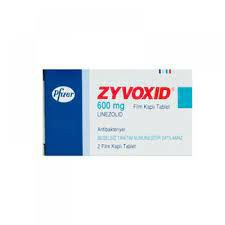
In contrast, linezolid is a protein synthesis inhibitor that can block the extension of bacterial protein chains and is effective against a variety of drug-resistant Gram-positive bacteria, so it is regarded as a more flexible antibacterial option. Linezolid can be used by both oral and intravenous routes, and has high oral bioavailability, allowing "intravenous-to-intravenous" treatment. This has been repeatedly mentioned in overseas guidelines to reduce hospitalization time and vein-related complications. Linezolid is often considered to have a more realistic advantage in patients who are unable to receive long-term intravenous fluids or who have limited home care options.
Analyzing from the perspective of infection type, in terms of pulmonary infections, many overseas practical guidelines point out that linezolid has stronger tissue penetration ability in the treatment of MRSA pneumonia, and the drug concentration is easier to reach effective levels in the lungs. Therefore, it is recommended in some guidelines as the preferred option for some severe pulmonary infections. Vancomycin is still the cornerstone treatment for MRSA infections, especially when bacteremia or patients have systemic inflammatory reactions. Clinicians usually prefer vancomycin because of its rich long-term application experience and mature safety monitoring system.
If the risk of resistance is considered, long-term use of vancomycin may lead to a decrease in bacterial sensitivity to it, while long-term use of linezolid requires more attention to blood picture changes. Therefore, both need to be monitored in clinical management, but the focus is different. Individual patient factors such as renal function, whether there are multiple infections, and whether an oral regimen is needed may directly affect the final drug selection.
Therefore,As for the question "Which is more effective, linezolid or vancomycin?", the answer is not that one drug is absolutely better than the other, but a comprehensive judgment based on the specific type of infection, the ability of the drug to reach the infection site, the patient's physical condition, and drug resistance. If the patient requires oral therapy, has difficulty with intravenous access, or has pulmonary infection, linezolid may be more advantageous; if the infection is severe, accompanied by bacteremia, or requires a more stable antibacterial intensity, vancomycin usually becomes the basic treatment option.
Reference materials:https://go.drugbank.com/drugs/DB00601
[ 免责声明 ] 本页面内容来自公开渠道(如FDA官网、Drugs官网、原研药厂官网等),仅供持有医疗专业资质的人员用于医学药学研究参考,不构成任何治疗建议或药品推荐。所涉药品可能未在中国大陆获批上市,不适用于中国境内销售和使用。如需治疗,请咨询正规医疗机构。本站不提供药品销售或代购服务。


