
.jpeg)
What are the possible serious side effects of seripalase (BRINEURA) and preventive measures?
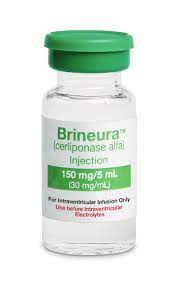
Seripase (BRINEURA, cerliponase alfa) is a recombinant human urea-type enzyme replacement therapy for the treatment of neuronal sarcoidosis type 2 in infants and young children (CLN2 disease). The drug is injected directly into the cerebrospinal fluid (intracerebroventricular, ICV) to supplement the missing decarboxylase in patients, thereby delaying the progression of neurodegeneration. Although its efficacy is remarkable, due to the treatment method and drug characteristics, some serious side effects may occur clinically, which require close attention and active prevention by doctors and nursing teams.
1. Overview of common serious side effects
In clinical trials and actual use, serious side effects that may occur with seripalase mainly include the following categories:
1.Surgery-related complications: Since seripase needs to be administered via ICV, problems related to the ventricular catheter may occur, including infection, catheter blockage, bleeding or intraventricular effusion. These complications, although rare, can have serious effects on the nervous system if they occur.
2.Allergic reactions and infusion reactions: Some patients may experience allergic or infusion-related reactions during drug infusion, such as fever, chills, rash, drop in blood pressure, shortness of breath, and in severe cases, anaphylactic shock.
3. Nervous system side effects: A few patients may experience epileptic seizures, headaches, disturbance of consciousness or local neurological symptoms, which are closely related to the drug's effect on the cerebrospinal fluid and central nervous system.
4.Increased risk of infection:ICVadministration involves direct puncture of the cerebral ventricle. Without strict aseptic procedures, patients may develop meningitis or other central nervous system infections. Pediatric patients are at higher risk because their immune systems are not fully mature.
2. Preventive measures for serious side effects
1.Surgery and catheter management:
Use an experienced neurosurgery team to performICVtube implantation and strictly implement aseptic techniques.
Regularly check the patency and position of the catheter after implantation to avoid blockage or displacement.
Keep the wound clean after surgery and monitor for fever, redness, swelling, and neurological abnormalities.
2.Prevent allergies and infusion reactions:
Assess for history of allergies and previous drug reactions prior to infusion.
Close monitoring of heart rate, blood pressure, blood oxygen saturation, and body temperature is performed during drug infusion.
Antihistamines or corticosteroids can be used to prevent or relieve allergic reactions when necessary.
For patients at risk for severe allergic reactions, the infusion rate may be adjusted or the drug given in divided doses.
3.Prevention and control of nervous system side effects:
Assess patients for seizure history before and after infusion and adjust antiepileptic drug dosage if necessary if there is previous epilepsy.
Closely observe changes in neurological function during and after infusion. If convulsions or disturbance of consciousness occur, appropriate medical intervention should be taken immediately.
Perform regular imaging examinations, such as brainMRI, to monitor possible ventricular and brain tissue abnormalities.
4.Infection control measures:
Strictly follow the aseptic operating procedures to ensure the sterility of drugs, catheters and operating environment.
The body temperature, blood and cerebrospinal fluid should be monitored after surgery and during the infusion period. Once signs of infection appear, antibiotic treatment will be given promptly.
Train nursing staff and family members to master basic aseptic operation knowledge to reduce the risk of external infection.
3. Comprehensive management and patient education
In order to minimize the occurrence of serious side effects, clinical recommendations are to adopt a comprehensive management strategy:
1.Multidisciplinary collaboration: Neurology, neurosurgery, pediatrics, and nursing teams should work closely together to ensure standardization of surgical operations, drug infusion, and postoperative management.
2.Individualized treatment plan: The infusion dose and frequency are formulated based on the patient's age, weight, severity of illness, and past disease history, and enhanced monitoring or preventive measures are taken for high-risk patients.
3.Family education: Explain to family members the possible serious side effects of drugs and countermeasures, such as identification and emergency treatment of fever, convulsions or catheter abnormalities, to improve family emergency capabilities.
4. Regular follow-up and monitoring: Dynamically manage potential risks during patient treatment through hematology, imaging and neurological function assessment.
Seripase (BRINEURA) has significant efficacy in the treatment of CLN2 disease and can delay the neurodegenerative process of the disease. However, due toICVDepending on the administration method and drug characteristics, there are still serious side effects such as surgery-related complications, allergic or infusion reactions, neurological side effects, and infection risks. Through strict surgical procedures, preventive drug intervention, close neurological function and infection monitoring, as well as family education and multidisciplinary management, these risks can be minimized and patients can obtain therapeutic benefits under the premise of safety. Clinical practice shows that early identification of potential side effects and timely treatment are the key to improving the safety and efficacy of seripalase treatment.
Reference materials:https://www.drugs.com/
[ 免责声明 ] 本页面内容来自公开渠道(如FDA官网、Drugs官网、原研药厂官网等),仅供持有医疗专业资质的人员用于医学药学研究参考,不构成任何治疗建议或药品推荐。所涉药品可能未在中国大陆获批上市,不适用于中国境内销售和使用。如需治疗,请咨询正规医疗机构。本站不提供药品销售或代购服务。


