
.jpeg)
What are the common side effects of F/TAF? How to deal with and alleviate side effects
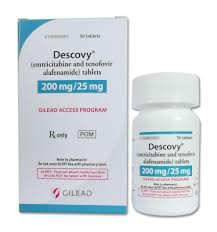
F/TAF (full name: tenofovir disoproxil fumarate/entecavir combination tablets) is a new oral antiviral drug, mainly used to treat patients with HIV-1 infection. Its core component, tenofovir disoproxilate (TAF), is a next-generation nucleotide reverse transcriptase inhibitor (NRTI). Together with emtricitabine (Emtricitabine, The combined use of FTC) can effectively inhibit HIV virus replication, reduce viral load, and maintain the stability of the immune system. However, despite the remarkable efficacy, patients may still experience some side effects during use, and they need to understand their types and take corresponding countermeasures to ensure the safety and continuity of treatment.
1. Common side effects of Dako
1.Digestive system reaction
Some patients may experience symptoms such as nausea, diarrhea, vomiting, or loss of appetite when taking Dakovo. This type of reaction usually occurs in the early stages of taking the drug and is mostly mild to moderate. As the body gradually adapts to the drug, most patients will resolve within a few days to a few weeks.
2.Nervous system discomfort
Individual patients may experience symptoms such as headache, dizziness, insomnia or fatigue. Although the symptoms are mild, long-term medication may affect the patient's quality of life and requires attention.
3.Skin and allergic reactions
Dacrovorin may cause rash or itching, and in rare cases, allergic reactions may occur. If the rash is severe or accompanied by difficulty breathing or facial swelling, seek medical attention immediately.
4. Effects on kidney function and bone metabolism
Compared with the early tenofovir disoproxil disoproxil (TDF), TAF has a significantly lower impact on renal function and bone density, but long-term use still requires attention to changes in serum creatinine, urine protein and bone density. Especially elderly patients or people with renal insufficiency need regular monitoring.
5.Other side effects
A few patients may develop fever, muscle aches, or hematological abnormalities, but the incidence is low. Generally speaking, Dakovo is well tolerated, and most patients have mild side effects and can continue treatment under the guidance of a doctor.
2. Countermeasures when side effects occur
1.Digestive system reaction processing
For symptoms such as nausea and diarrhea, patients are advised to take medication after meals, maintain adequate fluid intake, and avoid greasy and irritating foods. If the symptoms are obvious, antiemetics or antidiarrhea drugs can be used for short-term relief under the guidance of a doctor.
2.Relief of neurological symptoms
When headaches, fatigue or insomnia occur, they can be relieved by adjusting work and rest, ensuring sleep, exercising moderately and reducing stress. If symptoms persist and are severe, you need to inform your doctor to evaluate whether to adjust the drug dosage or change the administration time.
3.Skin rash and allergic reaction treatment
Mild rashes can be relieved with anti-allergy medications, such as oral or topical antihistamines. If accompanied by difficulty breathing, swelling of the face or tongue, seek medical attention immediately. If necessary, stop the medication and provide first aid treatment.
4.Renal function and bone metabolism monitoring
Regularly review serum creatinine, glomerular filtration rate (eGFR) and urinary protein, and conduct bone density examinations to detect abnormalities in time. If renal function declines or bone mass decreases significantly, the treatment plan should be adjusted under the guidance of a doctor.
3. Side effect prevention and long-term management
1.Regular follow-up visits
It is recommended that patients be followed up every 1-3 months during the initial period of medication to monitor renal function, blood indicators and virological indicators. Long-term medication can appropriately extend the follow-up interval according to the condition.
2.Lifestyle adjustments
A reasonable diet, adequate sleep, moderate exercise, smoking cessation and limiting alcohol consumption can help reduce the risk of drug side effects and maintain overall health.
3.Be careful about drug combinations and interactions
Avoid concurrent use with drugs known to aggravate kidney damage or loss of bone density, such as certain nonsteroidal anti-inflammatory drugs, opioids, etc. When taking multiple medications, be sure to tell your doctor about all of them.
4.Patient education
Improving patients' awareness and alertness of side effects, teaching them to identify early abnormal symptoms, and encouraging timely medical treatment and reporting will help to use drugs safely.
Tacoflour (F/TAF) has significant antiviral efficacy in the treatment of HIV and is well tolerated, but side effects such as gastrointestinal discomfort, neurological symptoms, rash, renal function and bone metabolism may still occur. Through reasonable preventive measures, lifestyle adjustments, regular monitoring and timely intervention, most side effects can be effectively alleviated or controlled, thereby ensuring that patients can continue and stably receive treatment. During use, patients should strictly follow the doctor's instructions and combine individualized management strategies to achieve optimal efficacy and medication safety.
References:https://www.drugs.com/
[ 免责声明 ] 本页面内容来自公开渠道(如FDA官网、Drugs官网、原研药厂官网等),仅供持有医疗专业资质的人员用于医学药学研究参考,不构成任何治疗建议或药品推荐。所涉药品可能未在中国大陆获批上市,不适用于中国境内销售和使用。如需治疗,请咨询正规医疗机构。本站不提供药品销售或代购服务。


