
.jpeg)
Analysis of whether olaparib (lipadro) can be used in the treatment of lymphoma
Olaparib is a PARP (polyADP ribose polymerase) inhibitor. By blocking the DNA repair pathway of cancer cells, tumor cells are unable to repair after accumulated DNA damage, thus inducing cell apoptosis. The drug was originally developed to treat ovarian cancer, breast cancer, pancreatic cancer and prostate cancer related to BRCA1/2 mutation. It is particularly effective in tumors with homologous recombination repair (HRR) defects. At present, olaparib has been approved by many countries for the treatment of a variety of solid tumors, but its application in hematological tumors such as lymphoma is still in the exploratory stage and has not yet been formally included in standard treatment guidelines.
Although olaparib has not yet been approved for lymphoma, some early clinical and experimental studies have shown that the PARP inhibitory mechanism may be effective in some lymphoma subtypes. For example, in B cell lymphoma or T cell lymphoma containing abnormal DNA repair pathways, olaparib can enhance the sensitivity of tumor cells to DNA damage through a "synthetic lethality" mechanism. In addition, some studies have found that olaparib can enhance anti-tumor activity when used in combination with chemotherapy drugs (such as alkylating agents) or radiation therapy. This suggests that olaparib may become a new treatment direction for certain gene-mutated lymphomas, but its specific efficacy and safety still need to be further verified.
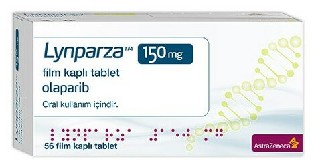
At present, research on olaparib for lymphoma is mainly focused on preclinical experiments andI/II phase clinical trials. Some preliminary results show that olaparib can induce partial responses in lymphoma patients with mutations in genes such as ATM, BRCA, and PALB2, but the overall response rate is still inferior to that seen in solid tumors. The main reasons that limit its widespread application include: complex lymphoma types, high heterogeneity of DNA repair pathways, and high risk of side effects such as bone marrow suppression. Therefore, olaparib has not yet been recommended as a standard treatment option for lymphoma and is still in the exploratory drug stage.
In the future, the application of olaparib in the field of lymphoma is expected to make breakthroughs with the development of precise molecular detection and combination treatment strategies. For example, combining PARP inhibitors with immune checkpoint inhibitors or BTK inhibitors may produce synergistic anti-tumor effects. For those who have clearDNALymphoma patients with repair pathway mutations can try olaparib treatment under clinical trial conditions, but they must be strictly monitored by doctors. Overall, olaparib, as an innovative drug that targets the DNA repair mechanism, has promising prospects in lymphoma. However, it is still an investigational treatment and patients are not recommended to try or replace conventional treatments.
Reference materials:https://www.drugs.com/
[ 免责声明 ] 本页面内容来自公开渠道(如FDA官网、Drugs官网、原研药厂官网等),仅供持有医疗专业资质的人员用于医学药学研究参考,不构成任何治疗建议或药品推荐。所涉药品可能未在中国大陆获批上市,不适用于中国境内销售和使用。如需治疗,请咨询正规医疗机构。本站不提供药品销售或代购服务。


