
.jpeg)
How long does it take to cure alopecia areata and the recommended course of treatment with ritexitinib?
Ritlecitinib is a selective JAK3/TEC kinase inhibitor, mainly used to treat moderate to severe alopecia areata (Alopecia Areata). Judging from the results of clinical studies, the onset time of this drug varies from person to person. It generally takes 3 to 6 months of continuous use before obvious hair regeneration effects can be observed. Some patients can notice reduced hair loss or the appearance of new villi as early as 8 to 12 weeks. For patients with a longer course of disease or severe hair follicle damage, the effect may only gradually appear after 6 to 9 months. Studies have shown that the effectiveness of Ritlecitinib in the treatment of alopecia areata is significantly improved after 24 weeks of continuous medication, and the improvement in hair density increases with the duration of medication.
In clinical practice, doctors usually recommend that patients follow the principle of long-term, continuous, and regular medication for treatment. The initial treatment period is usually 24 weeks (approximately 6 months). If the patient achieves significant results, maintenance treatment can be continued for 6 months to 1 years to consolidate hair follicle repair and prevent recurrence of hair loss. After stopping treatment, a small number of patients may relapse, so some people need low-dose maintenance therapy. Since Ritlecitinib has a regulatory effect on the immune system, short-term discontinuation of the drug may lead to immune imbalance, which may lead to recurrence of hair loss. Therefore, patients are not recommended to stop taking the drug on their own or to take it intermittently. The dose should be gradually adjusted under the guidance of a doctor.
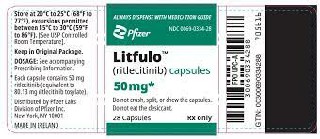
During the course of ritexitinib treatment, changes in hair density and recovery of hair loss areas should be regularly evaluated, and clinical follow-up is generally conducted every 4 to 8 weeks. At the same time, blood routine, liver and kidney function, and immune-related indicators need to be monitored to ensure safe medication. If there is still no significant improvement after 3 months of continuous medication, a doctor should evaluate whether to adjust the dose or combine it with other therapies (such as topical hormones, PRP treatment, etc.). Studies have shown that Ritlecitinib can significantly increase the rate of hair regrowth and improve overall efficacy when used in combination with topical therapies, but the regimen still needs to be individualized.
Ritexitinib has an overall good safety profile in long-term treatment. Common side effects include mild headache, upper respiratory tract infection, or mild elevation of aminotransferases, which are generally controllable through regular monitoring. Patients should maintain good living habits during treatment, such as regular work and rest, avoiding excessive mental stress, and balanced nutritional intake (especially protein and vitamin B group), which will help hair follicles recover. Clinical data shows that after 6 to 12 months of standard treatment, most patients’ alopecia areata areas can be significantly improved or even completely recovered. In general, the treatment course of ritexitinib should be individually formulated under the guidance of a doctor to achieve the best therapeutic effect in a safe, stable and sustainable manner.
Reference materials:https://www.drugs.com/
[ 免责声明 ] 本页面内容来自公开渠道(如FDA官网、Drugs官网、原研药厂官网等),仅供持有医疗专业资质的人员用于医学药学研究参考,不构成任何治疗建议或药品推荐。所涉药品可能未在中国大陆获批上市,不适用于中国境内销售和使用。如需治疗,请咨询正规医疗机构。本站不提供药品销售或代购服务。


