
.jpeg)
Detailed description of everolimus (Afinitor) contraindications and how to avoid adverse reactions
Everolimus is an inhibitor of the mammalian target of rapamycin (mTOR) and is widely used in the treatment of a variety of diseases, including organ transplant immunosuppression, renal cell carcinoma, breast cancer, and neuroendocrine tumors. Its mechanism of action is to inhibit the mTOR signaling pathway and block cell growth, proliferation and angiogenesis, thereby inhibiting tumor development or preventing transplant rejection. Everolimus is an oral drug, and its bioavailability is less affected by diet. However, its pharmacological activity also brings certain toxic side effects and medication restrictions, and contraindications and safe medication guidelines need to be strictly followed.
The contraindications for taking everolimus mainly include the following groups of people:
1.For patients who are allergic to everolimus or rapamycin and their preparation ingredients, taking this product may cause severe allergic reactions.
2.In patients with severe hepatic dysfunction, since everolimus is mainly metabolized by the liver, liver dysfunction will cause the drug to accumulate in the body, increasing the risk of toxicity.
3. Patients with active infections, especially bacterial, fungal, and viral infections, including pneumonia, sepsis, etc., because everolimus suppresses immune system function and may aggravate the infection.
4. Pregnant and lactating women, animal experiments show that drugs may cause abnormal fetal development. Taking drugs during lactation can affect the baby through milk. In principle, use should be avoided.
5. Patients with hematological abnormalities, such as severe anemia, neutropenia or thrombocytopenia, should use it with caution under the evaluation of a doctor to avoid aggravating hematological side effects.
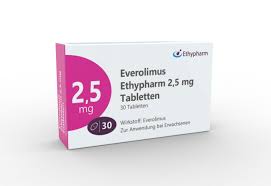
Common adverse reactions of everolimus include:
1.Hematological abnormalities: manifested as anemia, leukopenia and thrombocytopenia, which can increase the risk of infection and bleeding. Preventive measures are to regularly monitor blood routine and adjust the dosage or suspend medication promptly if abnormalities are found.
2.Risk of infection: Due to immunosuppression, patients are prone to upper respiratory tract infections, pneumonia and opportunistic infections. The risk can be reduced by getting vaccinated (under the guidance of a doctor), maintaining personal hygiene, and avoiding close contact with the source of the disease.
3.Oral ulcers and gastrointestinal reactions: manifested as oral pain, ulcers, nausea, and diarrhea. Preventive measures include keeping your mouth clean, using oral care medications, eating small, frequent meals, and eating a light diet.
4. Metabolic and endocrine abnormalities: elevated blood sugar, hyperlipidemia, etc. may occur. It is recommended to regularly monitor blood sugar and blood lipids, and adjust diet and medications according to the situation.
5.Pulmonary toxicity: Some patients may develop cough and difficulty breathing, suggesting that the drug may cause interstitial lung disease. If relevant symptoms occur, seek medical attention immediately, suspend medication, and conduct imaging examinations if necessary.
In order to reduce the occurrence of adverse reactions, patients should follow the following management principles when taking everolimus:
1.Take the medicine strictly according to the doctor's instructions, and do not increase or decrease the dosage or frequency at will.
2.Regular follow-up examinations, including blood routine, liver and kidney function, blood sugar, blood lipids and chest imaging, for early detection and treatment of side effects.
3.Avoid the combined use of strong CYP3A4 inhibitors or inducers, such as ketoconazole and rifampin. These drugs will affect the metabolism of everolimus, increase toxicity or reduce efficacy.
4.Lifestyle management: Maintain a healthy diet, exercise moderately, and avoid smoking and alcohol abuse to enhance the body's tolerance.
For elderly patients or those with chronic diseases, individual doses should be formulated based on liver and kidney function, body weight and drug tolerance. If patients experience adverse reactions, toxicity can be reduced by reducing the dose, extending the dosing interval, or using intermittent medication. At the same time, medical staff should guide patients and their families to identify early symptoms, such as oral ulcers, persistent fever, abnormal bleeding or respiratory discomfort, and take timely intervention measures.
As a first-line or second-line treatment drug, everolimus has clear efficacy, but its side effects cannot be ignored. By strictly following contraindications, regular monitoring, individualized dose adjustment and life management, most adverse reactions can be effectively controlled. It is clinically recommended that patients take medication under the guidance of professional doctors, combined with periodic reviews and timely adjustment of the plan, so as to maximize the efficacy while ensuring medication safety and achieving long-term and stable treatment effects.
Overall, the safety of everolimus relies on standardized management and preventive measures. Patients should fully understand the possible adverse reactions and contraindications of the drug, conduct a comprehensive evaluation before treatment, and maintain close follow-up, regular monitoring and life management during the treatment process. The medical team should develop personalized plans based on individual patient differences, and organically combine drug efficacy and safety through early intervention and scientific management, so that patients can obtain the best therapeutic effect during the treatment of tumors or transplant rejection.
Reference materials:https://www.drugs.com/
[ 免责声明 ] 本页面内容来自公开渠道(如FDA官网、Drugs官网、原研药厂官网等),仅供持有医疗专业资质的人员用于医学药学研究参考,不构成任何治疗建议或药品推荐。所涉药品可能未在中国大陆获批上市,不适用于中国境内销售和使用。如需治疗,请咨询正规医疗机构。本站不提供药品销售或代购服务。


