
.jpeg)
Standard dosage and usage of Anagrelide and dose adjustment plans for different patients
Anagrelide is a selective inhibitor of platelet production, mainly used to treat essential thrombocythemia (ET) to help reduce platelet count and reduce the risk of thrombosis. The standard starting dose is usually 0.5 mg orally four times daily (total 2 mg/day), which is gradually adjusted according to patient tolerance. The drug should be taken after meals to reduce gastrointestinal discomfort. Patients should strictly follow the doctor's instructions and avoid increasing or decreasing the dose on their own.
Anagrelide dose adjustment is mainly based on platelet count and patient tolerance. During treatment, doctors will regularly monitor platelet levels. If platelets are still higher than the target range, the dose can be increased by 0.5 mg per week until the ideal platelet level is reached. Usually the maximum dose does not exceed 10 mg/day. If the patient experiences obvious side effects, such as palpitations, headache or hypotension, the dose should be reduced in time or the dosing interval should be extended.
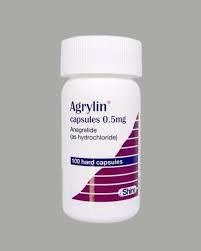
For elderly patients or those with cardiovascular disease, the initial dose can be appropriately reduced, such as 0.5 mg per day once or in divided doses to reduce the total dose to reduce the risk of cardiovascular side effects. For patients with liver and kidney dysfunction, it should be used with caution, and liver and kidney functions and blood indicators should be closely monitored during treatment. If necessary, the dose adjustment interval should be extended or the total dose should be reduced. The use of anagrelide in children requires an individualized regimen based on body weight and platelet levels.
During long-term medication, patients should regularly monitor platelet count, electrocardiogram and blood pressure to detect and deal with adverse reactions in a timely manner. Families and patients need to understand common side effects, such as palpitations, headaches, fatigue or rash, and contact the doctor promptly if abnormalities occur. Through scientific dose adjustment, individualized management and regular follow-up, platelet levels can be effectively controlled while reducing the risk of side effects, achieving safe and long-term disease management.
Reference materials:https://www.drugs.com/
[ 免责声明 ] 本页面内容来自公开渠道(如FDA官网、Drugs官网、原研药厂官网等),仅供持有医疗专业资质的人员用于医学药学研究参考,不构成任何治疗建议或药品推荐。所涉药品可能未在中国大陆获批上市,不适用于中国境内销售和使用。如需治疗,请咨询正规医疗机构。本站不提供药品销售或代购服务。


