
.jpeg)
Bevacizumab plus erlotinib highly effective in HLRCC-related papillary renal cell carcinoma
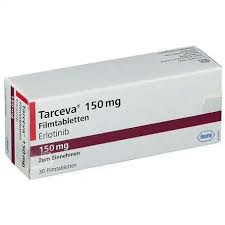
Bevacizumab (Avastin) in combination with Erlotinib (Erlotinib) based on published results from a phase 2 trial (NCT01130519) The combination elicited encouraging antitumor activity in patients with advanced hereditary leiomyomatosis and renal cell carcinoma (HLRCC)-associated renal papillary cell carcinoma. The combination also produced durable responses in patients with sporadic papillary renal cell carcinoma.
For other variants of renal cell carcinoma, there are few effective options, exemplified byHLRCC-associated papillary renal cell carcinoma. This variant is generally associated with an active clinical course; most patients succumb to progressive disease, and the median overall survival in most retrospective studies is 16 to 21 months.
To address this unmet need, the trial enrolled43 patients (30 men, 13 women) with HLRCC-associated papillary renal cell carcinoma and 40 patients (26 men, 14 women) with sporadic papillary renal cell carcinoma. Patients in the study received bevacizumab 10 mg per kilogram of body weight every 2 weeks, plus erlotinib 150 mg once daily. The primary endpoint is overall survival (OS), and progression-free survival (PFS) is a key secondary endpoint. The median follow-up time was 71.9 months for patients with HLRCC-associated papillary renal cell carcinoma and 63.6 months for patients with sporadic papillary renal cell carcinoma.
Among patients with HLRCC-associated papillary renal cell carcinoma, 72% (n=31; 95% CI, 57 to 83) achieved a confirmed response, including 2 patients (5%) who achieved a complete response. The median time to response was 1.8 months (range, 1.7 to 18.3). Responses were observed across all IMDC risk scores, with response rates of 64% in patients with favorable-risk disease, 75% in patients with intermediate-risk disease, and 75% in patients with low-risk disease. Of note, the median OS was 44.6 months (95% CI, 32.7 to NE), and the median PFS was 21.1 months (95% CI, 15.6 to 26.6). Multivariate analysis showed that prior treatment was associated with worsening OS (HR, 5.2; 95% CI, 2.1 to 13.1).
In patients with sporadic papillary renal cell carcinoma,35% (n = 14; 95% CI, 22 to 51) had a definite response to treatment. The median time to response was 1.8 months (range 1.7 to 7.3). Responses were observed across all IMDC risk scores, with response rates of 67% in patients with favorable-risk disease, 31% in patients with intermediate-risk disease, and 38% in patients with low-risk disease. Among these patients, the median OS was 18.2 months (95% CI, 12.6 to 29.3) and the median PFS was 8.9 months, 95% CI, 5.5 to 18.3). In post hoc subgroup analyses, previous radical nephrectomy, previous use of VEGF TKIs, and IMDC risk category were not associated with overall survival.
The safety data in the study are consistent with the known characteristics of this combination. The most common treatment-related adverse events (TRAEs) were acneiform rash (93%), diarrhea (89%), and proteinuria (78%). The most common grade 3 or higher TRAEs were hypertension (34%) and proteinuria (17%). Based on these data, this study shows that the combination of bevacizumab and erlotinib is highly active in advanced HLRCC-related papillary renal cell carcinoma and approximately half as effective in sporadic papillary renal cell carcinoma.
Further research is needed to elucidate the mechanisms that promote resistance to this regimen. Additionally, a Phase 2 trial (NCT04981509) is ongoing to evaluate bevacizumab and erlotinib plus atezolizumab.
References:https://www.urologytimes.com/view/bevacizumab-plus-erlotinib-is-highly-active-in-hlrcc-associated-papillary-renal-cell-carcinoma
[ 免责声明 ] 本页面内容来自公开渠道(如FDA官网、Drugs官网、原研药厂官网等),仅供持有医疗专业资质的人员用于医学药学研究参考,不构成任何治疗建议或药品推荐。所涉药品可能未在中国大陆获批上市,不适用于中国境内销售和使用。如需治疗,请咨询正规医疗机构。本站不提供药品销售或代购服务。


