
.jpeg)
Zotuximab/Veloximab is a targeted drug. What will happen once the drug is stopped?
Zolbetuximab (zolbetuximab)-Vyloy is an antibody drug that specifically targets CLDN18.2. Its treatment mode is a sustained-action type. Once the drug is stopped, the inhibitory signal of the drug in the body will gradually decrease. This change does not occur immediately but occurs gradually as the drug is eliminated. Discontinuation may occur for a variety of reasons, such as insufficient tolerability, complications, patient preferences, or changes in disease assessment. Regardless of the reason, biological changes after drug withdrawal have certain regularity.
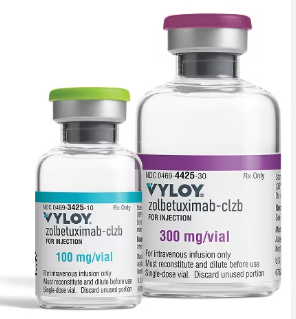
The mechanism of action of zotuximab relies on continued binding to the target, so after the plasma concentration is reduced, CLDN18.2-positive tumor cells may resume their original signaling activities. For some patients, this may lead to increased tumor growth or greater activity during subsequent treatments. There are also some patients whose condition remains temporarily stable after stopping the drug, which is usually related to the biological behavior of the tumor and previous treatments.
Since zotuximab is often combined with chemotherapy, once the monoclonal antibody part is stopped, whether chemotherapy continues to be an important factor in determining the pace of treatment. Some oncology departments will continue to maintain chemotherapy according to the situation to reduce potential rebound after stopping the targeted therapy. If discontinuation is due to toxic effects, physicians may use symptomatic and supportive care to improve tolerance and consider re-evaluating whether the targeted drug can be challenged again after recovery.
Discontinuing the targeted antibody does not mean that the treatment is terminated, but that it enters the next stage of evaluation. Doctors usually track imaging changes, evaluate whether the tumor shows signs of progression, and then select alternative options based on the patient's physical status, such as switching to another type of targeted drug, entering an immunotherapy regimen, or adjusting chemotherapy. For patients with high expression of CLDN18.2, rapid tumor activation after drug withdrawal may indicate a strong dependence on this target, and such patients often need to enter follow-up treatment in a timely manner.
Reference materials:https://www.astellas.com/en/news/29401
[ 免责声明 ] 本页面内容来自公开渠道(如FDA官网、Drugs官网、原研药厂官网等),仅供持有医疗专业资质的人员用于医学药学研究参考,不构成任何治疗建议或药品推荐。所涉药品可能未在中国大陆获批上市,不适用于中国境内销售和使用。如需治疗,请咨询正规医疗机构。本站不提供药品销售或代购服务。


