
.jpeg)
Causes of pain in patients with gout after taking febuxostat/fibril
Many patients with hyperuricemia will experience increased pain at the gout site or new joint discomfort within a few weeks after starting to use Febuxostat. This phenomenon often makes patients mistakenly believe that the drug "triggers" gout, but it is actually a common physiological reaction in the early stages of lowering uric acid. The root cause of this pain is that when blood uric acid drops too fast, urate crystals deposited in the joint cavity or tissue space may loosen or redistribute, causing local inflammation to be activated, resulting in symptoms similar to an acute attack.
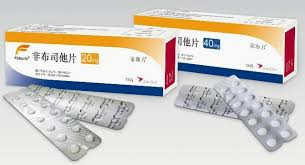
This kind of "initial reactive pain" does not mean that the drug is abnormally effective. Instead, it means that the crystals in the body are changing, which is a transitional stage in the elimination process. After maintaining a stable low uric acid range for a long time, most of these discomforts will gradually decrease. Because febuxostat rapidly inhibits XO activity, some patients are more likely to experience this transitional phenomenon early in treatment.
In addition, some patients do not take anti-inflammatory preventive measures simultaneously when taking medicine, which will also increase the risk of pain. International recommendations often use low-dose anti-inflammatory drugs or colchicine as the "initiation protection plan" to reduce the inflammatory stimulation caused by crystal mobilization in the body. Without such protective strategies, it is more likely that pain will worsen during the early stages of medication use.
In addition to crystal movement factors, external factors such as individual metabolic differences, fluctuations in life and diet, dehydration, strenuous exercise, etc. may also induce inflammatory reactions and make pain more obvious. Therefore, gout patients need to pay special attention to water intake and a stable diet during the initial period of medication.
In general, the pain after using febuxostat is mostly classified as "therapeutic pain", which is a natural phenomenon of the transition of uric acid crystals in the body from the deposition state to the elimination stage. Maintaining stable medication and combining with anti-inflammatory prevention when necessary can help patients successfully pass this stage and enter a longer-term control period.
Reference materials:https://www.drugs.com
[ 免责声明 ] 本页面内容来自公开渠道(如FDA官网、Drugs官网、原研药厂官网等),仅供持有医疗专业资质的人员用于医学药学研究参考,不构成任何治疗建议或药品推荐。所涉药品可能未在中国大陆获批上市,不适用于中国境内销售和使用。如需治疗,请咨询正规医疗机构。本站不提供药品销售或代购服务。


