
.jpeg)
Adjuvant reboxil plus AI therapy shows more significant iDFS benefit after 5 years in HR+her 2-negative early breast cancer
Adjuvant Ribociclib plus endocrine therapy showed a continued reduction in the risk of relapse after an initial 3-year treatment window. She added that continued separation of the Kaplan-Meier curves for aggressive disease-free survival (iDFS) enhances the drug's efficacy in patients with hormone receptor-positive, HER2-negative early-stage breast cancer who are at high risk for recurrence.
Early findings from the NATALEE Phase 3 trial (NCT03701334) demonstrated statistically significant and clinically meaningful improvements in iDFS using ribociclib plus endocrine therapy compared with endocrine therapy alone, supporting 2024 FDA approval of this regimen for patients with hormone receptor-positive, HER2-negative early-stage cancer.
NATALEE's 5-year pre-specified analysis data is released in 2025. At a median follow-up of 55.4 months, adjuvant rebociclib plus an aromatase inhibitor (AI) continued to show superior iDFS to AI alone (HR, 0.716; 95% CI, 0.618-0.829; one-sided P<0.0001). The incidence of iDFS at 36 months in the ribociclib group was 90.8% (n=2594), compared with 88.0% (n=2552) in the AI u200bu200balone group; at 60 months they were 85.5% and 81.0% respectively.
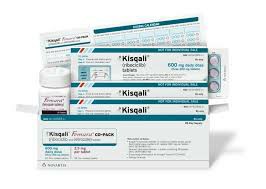
These data are exciting because initially when seeingthe data [from NATALE] a few years later, the [iDFS] difference between the two arms was not that dramatic.
The NATALEE trial is a phase 3 randomized study [evaluating] whether adding reboxil to standard endocrine therapy for early-stage cancer improves outcomes. It was performed in patients with hormone receptor-positive, HER2-negative breast cancer who had stage 2 or higher curable cancer.
Patients in the study were randomly assigned to receive the AI treatment with or without reboxiclib Riboxiclib was administered at a dose of 400 mg daily for 3 weeks on and 1 week off. This dose is slightly lower than what we use in the metastatic setting and is designed to demonstrate improvement in iDFS.
Reboxiclib is the secondCDK4/6 inhibitor to significantly improve aggressive disease-free survival in breast cancer patients with hormone receptor-positive, HER2-negative, early-stage disease. It is the only CDK4/6 inhibitor that is beneficial in patients with node-negative stage 2 disease.
At this meeting,[presented] 5-year outcome data from this study and demonstrated that iDFS actually improved by 4.5%, which means the relative risk of iDFS was reduced by about 30%. When patients with early-stage hormone receptor-positive breast cancer relapse years after diagnosis, it can begin to be seen that with effective drugs, the Kaplan-Meier curves diverge over time.
Overall, we did not see any new safety signals. Riboxiclib is associated with neutropenia, as are all 3 approved CDK4/6 inhibitors, so patients need to be monitored [for these toxicities]. They must also monitor for liver enzyme abnormalities. Several electrocardiograms must also be performed at baseline and during the first month of treatment because QTc prolongation may occur. Therefore, we do not combine ribociclib with tamoxifen.
References:https://www.onclive.com/view/adjuvant-ribociclib-plus-ai-therapy-shows-more-pronounced-idfs-benefit-after-5-years-in-hr-her2-negative-early-breast-cancer
[ 免责声明 ] 本页面内容来自公开渠道(如FDA官网、Drugs官网、原研药厂官网等),仅供持有医疗专业资质的人员用于医学药学研究参考,不构成任何治疗建议或药品推荐。所涉药品可能未在中国大陆获批上市,不适用于中国境内销售和使用。如需治疗,请咨询正规医疗机构。本站不提供药品销售或代购服务。


