
.jpeg)
Detailed explanation of the time required for treating acne with Roaccutane (isotretinoin) and the precautions for medication
Roaccutane (Isotretinoin) is a retinoic acid drug that is mainly used for patients with moderate to severe acne, especially cystic or nodular acne, and patients who do not respond well to oral antibiotics or topical drugs. It improves acne symptoms in many ways while reducing the risk of scar formation by inhibiting sebaceous gland secretion, regulating the keratinization process and anti-inflammatory effects.
The treatment cycle is usually 16 to 24 weeks, that is, about 4 to 6 months. The specific treatment period needs to be adjusted according to the patient's condition, weight and drug tolerance. The generally recommended dose is 0.5-1 mg/kg per day, which can be taken orally in one or two doses. Early use of isotretinoin Aacid may cause temporary aggravation of acne, which usually begins to resolve after 2 to 4 weeks of use. After completing a course of treatment, most patients can achieve long-term remission, with approximately 50% to 80% of patients achieving significant improvement after the first complete course of treatment.
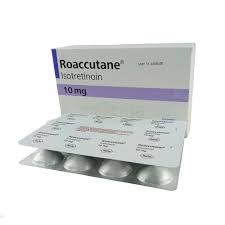
The tablet should be swallowed whole when taking the medicine. It can be taken with or after a meal to increase the absorption rate. The daily dosage should strictly follow the doctor's advice and cannot be adjusted by yourself. Liver function, blood lipids, blood routine and uric acid levels need to be monitored regularly before medication and during treatment. For pregnant women, pregnancy tests must be performed and effective contraceptive measures must be strictly used, because isotretinoin Aacid is highly teratogenic, and pregnancy status needs to be monitored 1 months before treatment, every month during treatment, and 1 months after discontinuation of treatment.
Common adverse reactions include dry skin, flaking, cheilitis, nasal dryness, and epistaxis, which can be relieved by lip balms and moisturizers. Systemic effects may include muscle and joint aches, headaches, and fatigue. Laboratory indicators may show abnormal liver function and elevated blood lipids, which need to be reviewed regularly. If abnormal, the dosage must be reduced or the medication must be suspended. A very small number of patients may experience depression or mood swings and should pay close attention to their mental state. During treatment, you should pay attention to sun protection, maintain a healthy lifestyle and a reasonable diet, and avoid using it with other retinoids or photosensitizing drugs. After completing the first course of treatment, evaluate whether retreatment or low-dose maintenance treatment is needed based on efficacy and side effects. Scientific and reasonable medication and lifestyle management can maximize the efficacy while ensuring safety, providing patients with long-term improvement in acne and quality of life.
Reference materials:https://www.drugs.com/
[ 免责声明 ] 本页面内容来自公开渠道(如FDA官网、Drugs官网、原研药厂官网等),仅供持有医疗专业资质的人员用于医学药学研究参考,不构成任何治疗建议或药品推荐。所涉药品可能未在中国大陆获批上市,不适用于中国境内销售和使用。如需治疗,请咨询正规医疗机构。本站不提供药品销售或代购服务。


