
.jpeg)
Safety matters and patient guidance that need to be paid attention to during the use of everolimus (Afinitor)
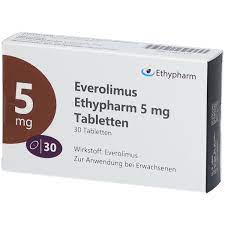
Everolimus (Everolimus) is an oral mTOR (mammalian target of rapamycin) inhibitor that is widely used in tumor treatment (such as advanced clear cell renal cell carcinoma, breast cancer and neuroendocrine tumors) and immunosuppression after organ transplantation. Its mechanism of action is mainly to block the growth and proliferation of tumor cells by inhibiting the mTOR signaling pathway, while inhibiting the activity of the immune system and reducing transplant organ rejection. Although everolimus has significant efficacy, a series of safety precautions need to be paid attention to during use to ensure patient treatment safety and drug efficacy.
1. Pre-medication assessment
Before initiating treatment with everolimus, the patient should be fully evaluated. Hepatic and renal function need to be assessed first, as everolimus is primarily metabolized by the liver and dose adjustment may be required in patients with hepatic impairment. Secondly, blood routine and blood lipid levels should be checked to understand the patient's basic immune status and cardiovascular risk. For patients with a history of previous infection or immune system disease, the risks of taking the drug should be weighed. At the same time, drug interactions need to be evaluated, because everolimus is metabolized by CYP3A4 and may interact with a variety of drugs, affecting drug concentration and efficacy.
2. Dosage management and medication guidance
Everolimus is usually administered orally, with doses adjusted based on indication, patient weight, and drug tolerance. It is recommended to take it at a fixed time every day to keep the blood concentration stable. The tablets should be swallowed whole, with or without food, but avoid taking them with high-fat meals at the same time to avoid affecting absorption. During treatment, patients are not allowed to adjust the dosage or stop medication at will, to avoid a decrease in efficacy or an increase in rejection. Before surgery or invasive procedures are required, doctors should be informed in advance so that bleeding risks and pharmacological intervention options can be assessed.
3. Common adverse reactions and monitoring
Everolimus may cause a variety of adverse effects. Common ones include mouth sores, rashes, redness and swelling of the hands and feet, and fatigue. In terms of blood system, anemia, thrombocytopenia or leukopenia may occur, so routine blood tests need to be reviewed regularly. Metabolic abnormalities are also common problems, such as elevated blood sugar, hyperlipidemia, etc., especially for patients with a history of diabetes or hyperlipidemia, which require close monitoring and intervention. The increased risk of infection is an important safety hazard of everolimus. Patients should avoid contact with sources of infection during medication and seek medical attention immediately if they develop fever or respiratory symptoms.
4. Precautions for special groups of people
For pregnant or lactating women, everolimus may have adverse effects on the fetus or infant, so it is contraindicated for use by pregnant or lactating women and effective contraceptive measures must be used. In elderly patients or those with reduced liver and kidney function, it should be used with caution, and the dose should be adjusted or the dosing interval extended if necessary. When patients use other CYP3A4 inhibitors or inducers at the same time, they should inform their doctor so that the dose can be adjusted and the drug concentration can be monitored to prevent increased toxicity or reduced efficacy.
5. Lifestyle and patient education
Patients should pay attention to maintaining good living habits while taking everolimus. In terms of diet, avoiding high-fat and high-sugar foods can help control blood lipids and blood sugar. Maintaining oral hygiene can reduce the occurrence of oral ulcers. Avoid strenuous exercise or injury to reduce the risk of bleeding and infection. Patients should follow a regular review plan, including blood routine, liver and kidney function, blood sugar, and blood lipids, so that abnormalities can be detected in time and treatment plans can be adjusted. Educate patients about possible adverse drug reactions and treatment methods to improve compliance and safety.
6. Drug interactions and precautions
Everolimus is metabolized by CYP3A4. Common drugs such as erythromycin, clarithromycin and other inhibitors can increase the blood concentration and increase the risk of adverse reactions; inducers such as rifampicin and carbamazepine can reduce the blood concentration and affect the efficacy. Patients should tell their doctor in advance before taking new or over-the-counter medicines. Avoid concomitant use with strong antifungals, certain antiviral drugs, or herbal preparations to reduce the risk of drug interactions.
In short, everolimus plays an important role in tumor treatment and immunosuppression, but it must be used strictly in compliance with medical instructions. Patients should pay attention to dosage management, regular monitoring, lifestyle intervention and drug interactions during medication. Through comprehensive safety management, we can not only ensure the efficacy of the medication, but also minimize the risk of adverse reactions and provide patients with a safe and effective treatment experience.
Reference materials:https://www.drugs.com/
[ 免责声明 ] 本页面内容来自公开渠道(如FDA官网、Drugs官网、原研药厂官网等),仅供持有医疗专业资质的人员用于医学药学研究参考,不构成任何治疗建议或药品推荐。所涉药品可能未在中国大陆获批上市,不适用于中国境内销售和使用。如需治疗,请咨询正规医疗机构。本站不提供药品销售或代购服务。


