
.jpeg)
A comprehensive explanation of the patient safety and efficacy of seripalase (BRINEURA)
Seripase (BRINEURA, common name: cerliponase alfa) is a recombinant human acid neuraminidase indicated for the treatment of gangliosidosis type II (CLN2 disease), a rare genetic neurodegenerative disease that usually occurs in children and is characterized by progressive loss of cognitive and motor function, seizures, and language deterioration. BRINEURA is the first approved enzyme replacement therapy for CLN2 disease, and its development and clinical application mark a major advance in the treatment of rare diseases. Since CLN2 disease is highly progressive, early medication, standardized management and long-term follow-up are crucial to ensure patient efficacy and safety.
Prior to using BRINEURA, patients need a comprehensive evaluation, including genetic testing to confirm CLN2 disease and clinical assessment of function (such as motor ability and language development level). Doctors will develop an individualized dosing regimen based on the patient's weight, age and disease progression. BRINEURAis administered through intracerebroventricular injection (intracerebroventricular, ICV). The drug directly enters the cerebrospinal fluid to bypass the blood-brain barrier and improve treatment efficiency. Due to the special route of administration, it needs to be completed under the operation of a professional hospital and an experienced medical team to ensure the accuracy and safety of the injection.
Treatment with BRINEURA is usually once every two weeks at a dose of 300 mg each time. Clinical studies have shown that during long-term treatment, BRINEURA can significantly slow down the deterioration of motor and language functions in children with CLN2 disease. According to pivotal clinical trial data, the majority of children treated with BRINEURA experienced a significant slowing in the rate of deterioration in motor and speech abilities between 6 months and 48 months of follow-up, with patients in the treatment group maintaining function longer compared to the natural history of the disease. Efficacy evaluation includes regular neurological examinations, motor function tests, and language ability assessment to ensure timely adjustments to the treatment plan during the course of treatment.
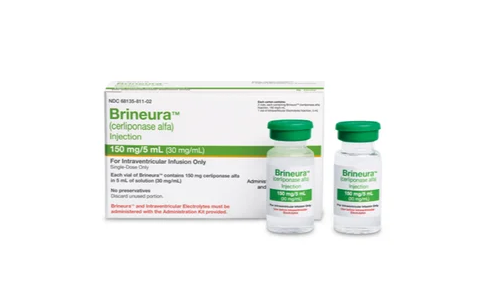
In terms of safety,BRINEURAIt was generally well tolerated, but there are a number of potential risks that need to be noted. The most common adverse reactions include surgical site reactions (eg, redness, pain), fever, headache, vomiting, and mild to moderate infection. Since the drug is injected intraventricularly, surgery-related risks (such as infection, cerebrospinal fluid leakage) need to be strictly prevented and controlled. To ensure safety, patients need to continuously monitor vital signs, neurological function and infection indicators during medication. The medical team will typically conduct an anesthesia assessment before the injection and observe the patient for at least a few hours after the injection in case of any emergencies.
Patient and family education is also an important part of ensuring efficacy and safety. Family members need to be familiar with the characteristics of disease progression, frequency of drug use, and potential side effects, and seek medical treatment promptly when abnormal symptoms occur (such as exacerbation of epilepsy, fever, or neurobehavioral abnormalities). In addition, drug storage and transportation must strictly adhere to low temperature conditions to prevent drug failure. Psychological support and rehabilitation training are equally important, including motor rehabilitation, language training and daily living assistance, to delay functional deterioration and improve quality of life.
The long-term use of BRINEURA still requires close follow-up. Doctors will evaluate the efficacy and decide whether to continue maintenance treatment based on the patient's developmental status, neurological manifestations and imaging examinations. At the same time, regular laboratory monitoring (blood routine, liver and kidney function, etc.) can help promptly detect potential drug-related adverse reactions. Through standardized dosing procedures, continuous efficacy evaluation, comprehensive safety monitoring and family education, BRINEURA can provide effective functional maintenance and quality of life protection for patients with CLN2 disease.
In summary, seripase, as an enzyme replacement therapy for CLN2 disease, provides a breakthrough solution for the treatment of rare neurodegenerative diseases. It has significant efficacy, is safe and controllable, but requires high professional capabilities of the medical team, cooperation from patients and families, and long-term monitoring. Through scientific management and comprehensive support, patients can benefit from BRINEURA treatment to the greatest extent and achieve the goals of delayed function and improved quality of life.
Reference materials:https://www.drugs.com/
[ 免责声明 ] 本页面内容来自公开渠道(如FDA官网、Drugs官网、原研药厂官网等),仅供持有医疗专业资质的人员用于医学药学研究参考,不构成任何治疗建议或药品推荐。所涉药品可能未在中国大陆获批上市,不适用于中国境内销售和使用。如需治疗,请咨询正规医疗机构。本站不提供药品销售或代购服务。


