
.jpeg)
Will there be resistance to Ixazomib (Enleri) and analysis of countermeasures
Ixazomib (Ixazomib) is an oral proteasome inhibitor mainly used for the treatment of multiple myeloma, especially suitable for maintenance treatment in combination with rituximab or lenalidomide. Compared with other proteasome inhibitors, ixazomib has the characteristics of oral administration and reversible inhibition of 20S proteasome, making it clinically convenient and tolerable. However, as the treatment cycle is prolonged, patients may still develop drug resistance, affecting the persistence of efficacy. Therefore, understanding the drug resistance mechanisms and coping strategies is crucial to clinical management.
The mechanism of ixazomib resistance is relatively complex, mainly including changes in proteasome structure, enhanced drug efflux, and enhanced cellular stress response. First, mutations or changes in expression levels of proteasome subunits can reduce the inhibitory effect of drugs on the 20S proteasome, allowing tumor cells to maintain their protein degradation function under long-term drug pressure. Secondly, the increased activity of drug efflux pumps, such as the overexpression of P-glycoprotein (P-gp), can lead to a decrease in the intracellular concentration of ixazomib, thereby reducing the drug efficacy. In addition, multiple myeloma cells may resist the cytotoxicity caused by proteasome inhibition by upregulating anti-apoptotic proteins (such as BCL-2, MCL-1) and stress response pathways.
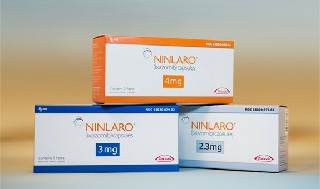
Clinical strategies to deal with ixazomib resistance mainly include drug dose adjustment, combination therapy and rotation therapy. For patients with good tolerance, the dose can be appropriately increased or the frequency of administration can be extended under the guidance of a doctor to improve drug concentration and inhibitory effect. However, this method requires strict monitoring of hematological indicators and liver and kidney functions to avoid excessive increase in toxic and side effects. Combination therapy is one of the current core strategies to deal with drug resistance. For example, combined use with lenalidomide, dexamethasone or monoclonal antibodies can enhance the anti-tumor effect and reduce the risk of drug resistance through multi-target effects. For some patients who fail multiple lines of treatment, they can consider rotating to other proteasome inhibitors (such as pomalidomide) or using emerging treatments such as CAR-T therapy and immunomodulators to achieve sustained efficacy.
In addition, drug resistance management also requires scientific monitoring and individualized treatment. While taking ixazomib, patients should regularly undergo routine blood tests, bone marrow examinations, and monitoring of M protein or light chain levels in order to detect early signs of decreased efficacy. For patients who show signs of drug resistance, the treatment plan should be adjusted in a timely manner based on clinical symptoms, imaging results and biomarker levels. Lifestyle intervention can also help enhance the efficacy, such as eating a reasonable diet, maintaining moderate exercise and avoiding infections, which can improve the overall immune status and help the drug to work optimally.
In general, ixazomib is effective in the treatment of multiple myeloma, but there is still a risk of drug resistance with long-term use. By understanding the mechanism of resistance, reasonable dose adjustment, combination and rotation treatment, strict monitoring and comprehensive management, the emergence of resistance can be effectively delayed, treatment continuity and patient survival benefits improved. In the future, combined with genotyping and precision medicine strategies, it is expected to further optimize the use of ixazomib, allowing it to exert greater potential in long-term treatment.
Reference materials:https://www.drugs.com/
[ 免责声明 ] 本页面内容来自公开渠道(如FDA官网、Drugs官网、原研药厂官网等),仅供持有医疗专业资质的人员用于医学药学研究参考,不构成任何治疗建议或药品推荐。所涉药品可能未在中国大陆获批上市,不适用于中国境内销售和使用。如需治疗,请咨询正规医疗机构。本站不提供药品销售或代购服务。


