
.jpeg)
Rubitidine/rubicatin (Zanbiga) contraindications and instructions for those who should use it with caution
Lurbinectedin is a new type of anti-tumor drug that blocks tumor cell proliferation and induces apoptosis by binding to DNA and inhibiting the function of transcription factors. This drug is mainly used for the treatment of small cell lung cancer (SCLC) and some metastatic solid tumors. Although the efficacy is remarkable, there are still some clinical contraindications and people who should use it with caution. Doctors' instructions need to be strictly followed to ensure patient safety.
Rubitin is contraindicated in patients with severe myelosuppression. Clinical data show that rubitidine may cause hematological adverse reactions such as neutropenia, thrombocytopenia, and anemia. If the patient has severe bone marrow suppression before treatment or has recently experienced severe infection, he should avoid using this drug or strictly monitor blood routine under the guidance of a professional physician to reduce the risk of infection and bleeding.
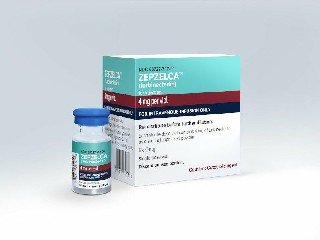
It should be disabled or used with caution in patients with severely impaired liver function. Rubitidine is mainly metabolized by the liver, and abnormal liver function may lead to increased plasma concentrations, thereby increasing the risk of toxicity. For patients with mild to moderate liver function impairment, the dosage can be adjusted under the guidance of a doctor and liver function indicators should be closely monitored. Patients with severe hepatic insufficiency should avoid use to avoid irreversible cumulative drug toxicity.
Pregnant and lactating women should use it with caution. Animal experiments show that rubitidine is potentially toxic to the fetus and may cause developmental abnormalities or miscarriage, so it is contraindicated in pregnant women. If breastfeeding women use this medicine, they need to stop breastfeeding or take safety measures under the guidance of a doctor. Elderly patients or those with multiple chronic diseases also need to use it with caution, and pay attention to hematology, liver, kidney and heart function monitoring in order to detect and deal with adverse reactions in a timely manner.
In general, contraindications to the use of rubitidine mainly include severe bone marrow suppression, severe liver function impairment, and pregnant and lactating women. People who should use it with caution include elderly patients, people with mild to moderate impairment of liver and kidney function, and patients with co-morbidities. In clinical application, through strict patient screening, individualized dose adjustment, and close monitoring of hematology and organ function, the risk of adverse reactions can be minimized and the drug can safely and effectively exert its anti-tumor effect.
Reference materials:https://www.drugs.com/
[ 免责声明 ] 本页面内容来自公开渠道(如FDA官网、Drugs官网、原研药厂官网等),仅供持有医疗专业资质的人员用于医学药学研究参考,不构成任何治疗建议或药品推荐。所涉药品可能未在中国大陆获批上市,不适用于中国境内销售和使用。如需治疗,请咨询正规医疗机构。本站不提供药品销售或代购服务。


