
.jpeg)
Treatment methods and suggestions when side effects of Asinib/Asiminib occur
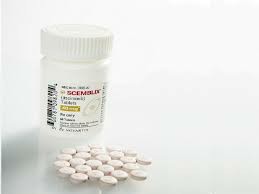
Asciminib (also known as Asciminib) is an innovative BCR::ABL1tyrosine kinase inhibitor (TKI), mainly used to treat Philadelphia chromosome-positive chronic myelogenous leukemia (Ph+ CML) patients in the chronic phase, especially for patients who are resistant or intolerant to previous generations of TKIs (such as imatinib, nilotinib, dasatinib, etc.). Asnib has a unique "STAMP" mechanism of action, which is to selectively target the titin binding site of ABL1kinase (myristoyl pocket), which is different from traditional ATPcompetitive TKI, so it can be effective against multiple mutations (including T315I mutation) while reducing the incidence of some traditional side effects. However, clinically, some patients still experience adverse reactions during treatment. The following will systematically explain the common side effects, treatment strategies and clinical management suggestions of asinib.
1. Common side effects types and occurrence characteristics
According to clinical trial data (such as the ASCEMBL study), asinib is generally well tolerated, but some patients may still experience varying degrees of side effects. Mainly include the following categories:
1.Gastrointestinal reactions: nausea, abdominal pain, loss of appetite, bloating or mild diarrhea.
2.Hematological adverse reactions: such as neutropenia, thrombocytopenia or anemia, especially in patients who have received multiple lines of TKI treatments.
3.Abnormal liver function: Some patients may experience elevated levels of ALT, AST, and bilirubin in some individuals.
4. Elevated pancreatic enzymes: including elevated serum amylase or lipase, indicating possible risk of pancreatitis.
5.Cardiovascular and metabolic reactions: including mild hypertension, elevated cholesterol or QT interval prolongation (rarely).
6.Other adverse reactions: such as muscle soreness, fatigue, rash or mild headache.
Most side effects are mild to moderate and can be alleviated by dose adjustment or supportive care. However, if not handled properly, some adverse reactions may lead to treatment interruption or impaired efficacy.
2. Specific treatment methods for different side effects
1.Management of gastrointestinal discomfort
For mild gastrointestinal reactions such as nausea, vomiting, and abdominal distension, patients may be advised to:
Take it with or after meals. Avoid taking the medicine on an empty stomach to reduce stomach irritation;
If necessary, anti-nausea drugs (such as domperidone) or probiotics can be used to condition the intestines;
If diarrhea is obvious, electrolytes can be replenished and antidiarrheal drugs can be used for a short period of time; if diarrhea persists, temporary dose reduction or drug discontinuation should be considered, and other causes should be ruled out.
2.Coping with hematological toxicity
If granulocytopenia or thrombocytopenia occurs:
Mild (1-2 grade): Usually there is no need to stop the drug, and blood routine can be closely monitored;
Moderate to severe (≥3 grade): It is recommended to temporarily stop the drug and restart at a lower dose after the blood picture recovers;
If necessary, G-CSF (granulocyte stimulating factor) can be used for supportive treatment to avoid the risk of serious infection;
If recurrence occurs, dose adjustment or evaluation of the effects of concomitant medications should be considered.
3.Treatment of abnormal liver function
For patients whose ALT/AST is elevated (≤3 times the upper limit of normal), medication can be continued and liver function closely monitored; if the elevation exceeds 5 times or is accompanied by an increase in bilirubin, medication should be suspended immediately and drug-induced liver injury investigated. After liver function returns to normal, you can try to resume low-dose treatment. Use hepatoprotective drugs (such as polyene phosphatidylcholine, reduced glutathione) when necessary.
4. Elevated pancreatic enzymes and risk of pancreatitis
Asnib has been reported to cause increases in pancreatic amylase or lipase, and rare patients have developed acute pancreatitis:
If there are only mild enzyme elevations and no symptoms, treatment can be continued and monitored closely;
If abdominal pain or significant elevation of pancreatic enzymes occurs, the drug should be discontinued immediately and symptomatic treatment should be carried out;
Fast, rehydrate, monitor blood sugar and electrolytes, and carefully evaluate whether to resume treatment after symptoms and indicators recover.
5.Management of cardiovascular and metabolic abnormalities
For mild hypertension, antihypertensive drugs such as ACEI or calcium channel blockers can be used to control it; if dyslipidemia is obvious, statin drugs can be supplemented. Blood pressure, blood lipids and electrocardiogram should be checked regularly during medication. If the QT interval is significantly prolonged or arrhythmia occurs, the drug should be discontinued and drug interactions should be investigated.
3. Medication Management and Monitoring Suggestions
To ensure safety and efficacy, patients are advised to regularly monitor the following indicators during treatment with Asnib:
1.Blood routine: Monitor once every 2 weeks initially, and once a month after stabilization;
2.Liver function and renal function: recheck every1-2 months;
3.Pancreatic enzyme levels (amylase, lipase): It is recommended to monitor before treatment and at 1 and 3 months after treatment, and then adjust the frequency according to risk assessment;
4. Electrocardiogram and blood pressure: People with a past history of cardiovascular disease should pay special attention;
5.BCR::ABL1Molecular response level: Regular monitoring can determine efficacy and resistance risk.
In addition, asinib interacts with certain drugs (such asCYP3A inhibitors or inducers). When using it, you should avoid combining it with strong inhibitors (such as ketoconazole, clarithromycin) or inducers (such as rifampicin) to avoid affecting blood concentration.
4. Clinical advice and life management guidance
1.Individualized dose adjustment: If moderate adverse reactions occur, the dose can be adjusted from 40mg twice a day to 40mg once a day according to the guidance of a doctor, and the original dose can be restored after symptoms improve.
2.Maintaining good living habits: avoiding high-fat diet, quitting alcohol, and controlling blood sugar and blood pressure can help reduce hepatopancreatic-related side effects.
3. Pay attention to early symptom recognition: If patients experience persistent abdominal pain, jaundice, rash or obvious fatigue, they should seek medical treatment immediately; avoid stopping the drug or reducing the dosage on their own.
4.Psychological and compliance management: Some patients develop anxiety or interrupt treatment due to side effects. Doctors and patients need to maintain communication to ensure compliance and stable efficacy.
As a new generation of targeted drugs, Asnib's safety is significantly improved compared to traditionalTKI, but it may still cause a series of manageable adverse reactions. Through early identification, regular monitoring, timely intervention and individualized dose adjustment, most side effects can be effectively controlled without affecting long-term efficacy. For doctors, they should remain alert during the treatment process and dynamically assess patient risks; for patients, they should strictly follow the doctor's instructions, pay close attention to physical changes, and jointly achieve the safety and continuity of treatment, thereby maximizing the clinical value of asinib in the treatment of CML.
Reference materials:https://www.drugs.com/
[ 免责声明 ] 本页面内容来自公开渠道(如FDA官网、Drugs官网、原研药厂官网等),仅供持有医疗专业资质的人员用于医学药学研究参考,不构成任何治疗建议或药品推荐。所涉药品可能未在中国大陆获批上市,不适用于中国境内销售和使用。如需治疗,请咨询正规医疗机构。本站不提供药品销售或代购服务。


