
.jpeg)
Venetoclax/Venetoclax adverse reaction treatment methods and clinical emergency measures
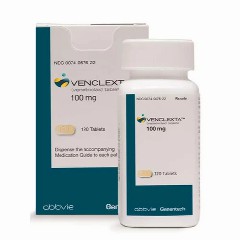
Venetoclax (Venetoclax) is an oral BCL-2 inhibitor, widely used in the treatment of chronic lymphocytic leukemia (CLL), acute myeloid leukemia (AML) and some other hematological tumors. It induces cancer cell apoptosis by targeting the inhibition of the anti-apoptotic protein BCL-2, thereby achieving tumor control. However, problems such as hematological adverse reactions, tumor lysis syndrome (TLS), infection, and gastrointestinal discomfort may occur during clinical use of venetoclax, which requires high attention and scientific countermeasures to ensure patient safety.
Treatment of hematological adverse reactions
Hematological toxicity is the most common adverse reaction of venetoclax, including neutropenia, anemia and thrombocytopenia. Patients are particularly prone to bone marrow suppression during the initial treatment period, so baseline blood tests should be performed before treatment. If neutropenia occurs (ANC <1.0×10⁹/L) or platelet count is lower than
Emergency treatment of tumor lysis syndrome (TLS)
TLSis one of the most dangerous adverse reactions in the early stages of venetoclax treatment, especially in patients with AML or CLL with high tumor burden. Its clinical manifestations include elevated serum potassium, elevated serum phosphorus, elevated serum uric acid, and a sharp decline in renal function. Prevention strategies include adequate hydration before treatment, uric acid reduction with allopurinol or febuxostat, and a slow dose escalation schedule based on patient risk stratification. Once TLS occurs, the drug should be stopped immediately, and measures such as intravenous rehydration, potassium lowering, and correction of acid-base imbalance should be implemented, and dialysis treatment should be used if necessary. Clinical emphasis is on early identification of high-risk patients and monitoring of electrolytes and renal function to reduce the incidence and severity of TLS.
Management of infections and gastrointestinal adverse reactions
Venetoclax can cause a decrease in immune function and increase the risk of infections, including bacterial, viral, and fungal infections. Patients should maintain good living hygiene. If they have fever, cough, frequent urination or general discomfort, they should seek medical treatment immediately and take anti-infective treatment according to the etiology. At the same time, some patients may experience gastrointestinal symptoms such as nausea, vomiting, diarrhea, and loss of appetite. Symptoms can be relieved by eating small meals frequently, taking medication after meals, antiemetics or probiotics; if it seriously affects daily life, temporary dose adjustment or medication intervals may be considered.
Safety monitoring and comprehensive response strategies for long-term medication
During long-term maintenance treatment with venetoclax, blood levels, electrolytes, liver and kidney function, and cardiac function should be monitored regularly. For elderly patients or those with underlying diseases, the dosage should be adjusted individually, and infections and drug interactions should be paid close attention to. When serious adverse reactions occur, it is recommended to reduce the dose, temporarily discontinue the drug, or perform symptomatic treatment under the guidance of a professional hematologist, rather than discontinuing the drug on your own or blindly adjusting the dose. In addition, patients and their families should master basic self-monitoring skills, such as recording changes in body temperature, urine output, frequency of diarrhea, and dietary intake, in order to detect abnormalities in time.
In general, most of the adverse reactions of venetoclax can be controlled through standardized dose escalation, adequate risk assessment, regular monitoring and symptomatic treatment. Tumor lysis syndrome, high-risk hematological toxicity and infection risks require high vigilance, but by following scientific emergency strategies, the vast majority of patients can complete treatment safely and effectively. Combining individualized plans and multidisciplinary management, Venetoclax can reduce medication risks to a controllable level while ensuring efficacy, providing stable and long-lasting treatment support for patients with hematological tumors.
Reference materials:https://www.drugs.com/
[ 免责声明 ] 本页面内容来自公开渠道(如FDA官网、Drugs官网、原研药厂官网等),仅供持有医疗专业资质的人员用于医学药学研究参考,不构成任何治疗建议或药品推荐。所涉药品可能未在中国大陆获批上市,不适用于中国境内销售和使用。如需治疗,请咨询正规医疗机构。本站不提供药品销售或代购服务。


