
.jpeg)
Analysis of the mechanism of action and clinical research progress of sparsentan
Sparsentan (Sparsentan) is an oral dual receptor antagonist that mainly targets the angiotensin II receptor (AT1) and the endothelin receptor (ET-A). By blocking these two types of receptors, sparsantane not only lowers blood pressure, but also reduces proteinuria and kidney fibrosis. AT1 receptor antagonism helps inhibit glomerular hypertension and glomerular damage, while ET-A receptor antagonism can reduce renal endothelial damage and inflammatory response, thus playing a dual protective role in chronic kidney disease.
Sparsentan is mainly used to treat patients with glomerulonephritis (such asFSGS) and chronic kidney disease associated with hyperalbuminuria. Sparsentan offers a potential intensive intervention strategy in patients with proteinuria despite conventional ACE inhibitor or ARB therapy. Its dual mechanism of action is expected to show advantages in reducing proteinuria and delaying the decline of renal function, providing new treatment options for high-risk chronic kidney disease patients.
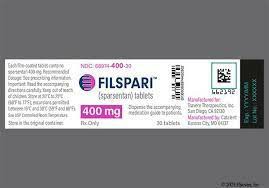
Pivotal clinical studies include the DUET trial (in patients with FSGS) and other early Phase III trials. DUETThe results of the trial showed that sparsentan significantly reduced the urine protein to creatinine ratio during the 12 treatment period ( UP/C), resulted in a greater reduction in proteinuria and was well tolerated compared with ARB or ACEI alone. In addition, long-term follow-up data suggest that sparsentane may have potential advantages in delaying the decline of renal function, providing new ideas for the long-term management of chronic kidney disease.
Comprehensive clinical research shows that sparsentane achieves the dual effects of reducing proteinuria and protecting renal function through dual receptor antagonism mechanisms. Its safety and tolerability are generally good, and common adverse reactions include decreased blood pressure, dizziness and mild edema. With the accumulation of more long-term data, sparsentane is expected to become a standard treatment option for patients with chronic kidney disease, especially FSGS and hyperalbuminuria, and provide a reference and new direction for the development of targeted renal protection drugs.
Reference materials:https://www.drugs.com/
xa0
[ 免责声明 ] 本页面内容来自公开渠道(如FDA官网、Drugs官网、原研药厂官网等),仅供持有医疗专业资质的人员用于医学药学研究参考,不构成任何治疗建议或药品推荐。所涉药品可能未在中国大陆获批上市,不适用于中国境内销售和使用。如需治疗,请咨询正规医疗机构。本站不提供药品销售或代购服务。


