
.jpeg)
Analysis on whether rubitin/rubicatin (Zanbiga) needs to be combined with other drug treatments
Lurbinectedin is a new type of anti-tumor drug that mainly inhibits DNA transcription and induces tumor cell apoptosis. It shows efficacy in small cell lung cancer (SCLC) and some solid tumors. When used as monotherapy, rubitidine can significantly extend progression-free survival and reduce tumor burden in patients with advanced disease. However, the efficacy may differ for different patient groups and tumor types, so combination with other drugs is often considered in clinical practice to enhance the therapeutic effect.
The combination strategy of rubitin should be carried out under the guidance of professional doctors, and the tumor type, previous treatment history and the patient's physical condition need to be fully assessed. For patients with weak constitution or multiple comorbidities, single-drug regimens should be given priority and adverse reactions should be closely monitored. In general, rubitidine can be used as a single agent or in combination with chemotherapy or immunotherapy, but the key lies in individualized treatment and safety monitoring to maximize efficacy and control toxic side effects, and provide more optimized treatment options for patients with advanced tumors.
Reference: https://www.drugs.com/
Rubitidine monotherapy is mainly suitable for patients with relapsed SCLC who have failed previous platinum-based chemotherapy. Clinical trials have shown that single-agent use can achieve disease control in some patients, but the overall response rate is relatively limited. For patients who are intolerant to chemotherapy or have significant comorbidities, monotherapy can be the first choice, which not only ensures efficacy but also reduces the risk of drug interactions and compound toxicity.
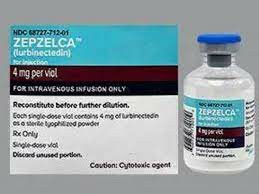
The combination strategy of rubitin should be carried out under the guidance of professional doctors, and the tumor type, previous treatment history and the patient's physical condition need to be fully assessed. For patients with weak constitution or multiple comorbidities, single-drug regimens should be given priority and adverse reactions should be closely monitored. In general, rubitidine can be used as a single agent or in combination with chemotherapy or immunotherapy, but the key lies in individualized treatment and safety monitoring to maximize efficacy and control toxic side effects, and provide more optimized treatment options for patients with advanced tumors.
Reference: https://www.drugs.com/
[ 免责声明 ] 本页面内容来自公开渠道(如FDA官网、Drugs官网、原研药厂官网等),仅供持有医疗专业资质的人员用于医学药学研究参考,不构成任何治疗建议或药品推荐。所涉药品可能未在中国大陆获批上市,不适用于中国境内销售和使用。如需治疗,请咨询正规医疗机构。本站不提供药品销售或代购服务。


