
.jpeg)
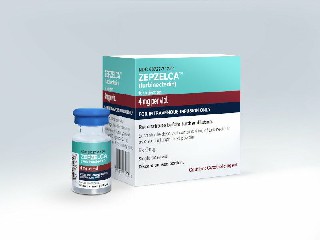
Analysis of indications and clinical application scope of rubitin/rubicatin (Zanbiga)
Lurbinectedin is a new type of small molecule anti-tumor drug, which is a DNA binding agent that can inhibit the transcription mechanism of cancer cells, thereby preventing cancer cell proliferation and inducing apoptosis. Its mechanism is different from traditional chemotherapy drugs. By blocking the transcription process mediated by RNA polymerase II, it reduces the production of key proteins by cancer cells, thereby inhibiting tumor growth. At the same time, rubitidine also has a certain impact on immune regulation in the tumor microenvironment, helping to improve local immune responses and improve therapeutic effects.
1. Main indications
The main indication of rubitin is relapsed or refractory cases of small cell lung cancer (SCLC). In clinical studies, rubitidine has shown a certain response rate and survival benefit in patients with small cell lung cancer who have relapsed after previous platinum-based chemotherapy. In addition, for certain other solid tumor types, such as ovarian cancer, breast cancer and soft tissue sarcoma, rubitin has also shown potential efficacy in clinical trials, but has not yet been fully approved. Therefore, it is currently mainly used in patients with relapsed or refractory SCLC.
2. Clinical application scope and usage strategies
In clinical practice, rubitidine is usually used as second-line treatment after failure of first-line chemotherapy or in combination with other drugs. It can be used in combination with drugs such as etoposide to enhance efficacy while adjusting the dose based on patient tolerance. For older patients or patients with more underlying diseases, doctors will develop individualized dosage plans based on liver and kidney function and hematological indicators. The oral and intravenous administration methods of rubitidine are under study. Currently, intravenous injection is commonly used in clinical practice, with a course of treatment every three weeks to ensure stable drug concentration and sustained efficacy.
3. Clinical efficacy and research data
Clinical trial data show that the overall response rate of rubitidine in recurrent small cell lung cancer is approximately 30%, and the median progression-free survival (PFS) is 3
4. Precautions for use and treatment management
During the use of rubitidine, the dosage and course of treatment instructions must be strictly followed to avoid insufficient or excessive dosage, which may affect the efficacy or increase the risk of adverse reactions. Common side effects include bone marrow suppression, nausea, vomiting, fatigue and abnormal liver function. Patients should regularly review blood routine and liver and kidney function. For patients who experience serious adverse reactions, doctors may suspend or reduce the dose of treatment and provide symptomatic treatment. During the interval between treatments, patients should pay attention to their daily routine, balanced diet and infection protection to optimize the overall efficacy.
5. Potential expanded applications and research directions
The unique mechanism of rubitidine makes it potentially useful in relapsed or refractory solid tumors. Currently, a number of clinical trials are underway to explore the efficacy of rubitidine in combination with immune checkpoint inhibitors, chemotherapy drugs, or other targeted drugs. These studies aim to expand its indications, improve overall patient survival, and optimize side effect management. In the future, rubitidine may become an effective option in the second- or third-line treatment of more solid tumors.
In general, lurbinectedin (Lurbinectedin) is a new targeted drug for relapsed or refractory small cell lung cancer. It has a unique mechanism of action and can exert anti-tumor effects by inhibiting the transcription of cancer cells and regulating the tumor microenvironment. In clinical application, it is suitable for use as a second-line or third-line regimen after failure of first-line treatment. The efficacy is significant, but it is necessary to pay attention to the adverse reactions of hematology and liver function. Through reasonable dosage, regular course management and close monitoring, rubitidine can provide patients with effective treatment options and expand new directions for future application in other solid tumors.
Reference materials:https://www.drugs.com/
[ 免责声明 ] 本页面内容来自公开渠道(如FDA官网、Drugs官网、原研药厂官网等),仅供持有医疗专业资质的人员用于医学药学研究参考,不构成任何治疗建议或药品推荐。所涉药品可能未在中国大陆获批上市,不适用于中国境内销售和使用。如需治疗,请咨询正规医疗机构。本站不提供药品销售或代购服务。


