
.jpeg)
Afatinib (Gitairin) drug interactions and precautions for co-administration
Afatinib is an irreversible ErbB family receptor tyrosine kinase inhibitor that is widely used in patients with EGFR mutation-positive non-small cell lung cancer (NSCLC). Because it is mainly metabolized by the liver enzyme system and has potential interactions with many drugs, special attention needs to be paid to the risks of co-administration with other drugs during clinical use. Especially when used in combination with strong CYP450 inducers, inhibitors or gastric acid regulating drugs, the plasma concentration of afatinib may be affected, thereby changing the efficacy or increasing the risk of adverse reactions.
Afatinib is mainly excreted through the drug transport system mediated by P-gp (Pglycoprotein). Therefore, simultaneous use with P-gp inhibitors (such as clarithromycin, itraconazole) may lead to an increase in blood drug concentration, thereby increasing the risk of side effects such as rash, diarrhea, or abnormal liver function. On the contrary, when combined with P-gp inducers (such as rifampicin, carbamazepine), the plasma concentration may be reduced and the efficacy will be weakened. Therefore, when using combined drugs, the dosage or interval needs to be adjusted according to the specific drugs to ensure efficacy and safety.
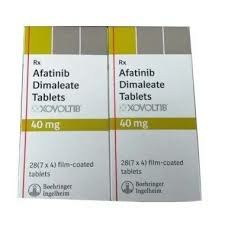
In addition, the combined use of afatinib with antacids (such as proton pump inhibitors, H2 receptor antagonists) may affect drug absorption and reduce bioavailability. Clinically, it is recommended to avoid taking them at the same time, or to stagger the taking time of afatinib and antacids by more than 2 hours. For anticoagulant drugs, hypoglycemic drugs, and immunosuppressive drugs, it is necessary to closely monitor drug efficacy and blood drug levels, and adjust the dose if necessary to reduce the risk of drug interactions.
In clinical practice, doctors should have a detailed understanding of the patient's medication history and concomitant medications to assess potential interaction risks. During the period of combined medication, blood routine, liver and kidney function and related biological indicators should be monitored regularly to detect and deal with adverse reactions in a timely manner. At the same time, patients should be educated to pay attention to drug dosage, taking time and possible adverse reactions to ensure the efficacy and safety of afatinib in combination therapy. Through standardized management, the impact of drug interactions on therapeutic efficacy can be minimized.
Reference materials:https://www.drugs.com/
[ 免责声明 ] 本页面内容来自公开渠道(如FDA官网、Drugs官网、原研药厂官网等),仅供持有医疗专业资质的人员用于医学药学研究参考,不构成任何治疗建议或药品推荐。所涉药品可能未在中国大陆获批上市,不适用于中国境内销售和使用。如需治疗,请咨询正规医疗机构。本站不提供药品销售或代购服务。


