
.jpeg)
Possible drug resistance to Asnib/Aximinib (Sinbel) and treatment options for worsening
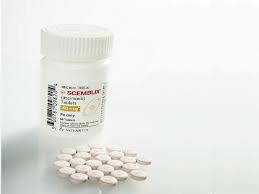
Asciminib (Asciminib) is a new type of BCR-ABL inhibitor, which belongs to the second generation of STI-571 drugs (STAMP inhibitors). Its unique mechanism targets the regulatory site of BCR-ABL (myristoyl pocket) and blocks tyrosine kinase activity, thereby inhibiting the proliferation of tumor cells in patients with chronic myelogenous leukemia (CML) and some acute lymphoblastic leukemia. Although asinib has shown good efficacy in the treatment of CML, some patients may still develop drug resistance, especially if they take the drug for a long time or experience multiple TKI treatment failures.
The main mechanisms of drug resistance include point mutations of the BCR-ABL gene, increased drug efflux mediated by drug pump proteins (such as P-gp), and bypass activation of signaling pathways. For example, the T315I mutation is a well-known common site of resistance to afatinib and imatinib. However, some patients with asinib may still have new regulatory site mutations, resulting in reduced drug binding ability and thus reduced efficacy. In addition, patients may experience changes in drug metabolism, insufficient blood drug concentration, or clonal evolution of tumor cells during long-term medication, which will also increase the risk of drug resistance. Clinical observation shows that drug-resistant patients usually present with recurrence of abnormal blood patterns, elevated levels of BCR-ABL fusion genes, or significant fluctuations in disease conditions.
For patients with drug resistance or disease worsening, the type and cause of drug resistance should first be clarified through regular molecular biology monitoring (such as real-time quantitative PCR detection of BCR-ABL transcript levels) and gene mutation analysis. After the resistance mechanism is clarified, a variety of coping strategies can be adopted. For resistance caused by mutations, it may be necessary to adjust the dose or switch to other TKI drugs, such as the combination of third-generation TKIs (such as osimertinib or bosentinib) to cover resistant mutant strains. If drug resistance is accompanied by insufficient blood drug concentration, the dosing regimen can be optimized, including adjusting the medication time, avoiding co-administration with drugs that affect drug metabolism, and increasing the dose under the guidance of a doctor.
At the same time, symptomatic management should be strengthened for deterioration of disease caused by drug resistance. When the blood picture abnormalities are obvious, short-term use of chemotherapy or adjuvant drugs can be considered to control the white blood cell count and prevent the risk of infection and bleeding. For patients with abnormal liver and kidney function, the drug dosage should be adjusted promptly or the drug discontinued for observation to prevent further aggravation of organ damage. In terms of long-term management, regular follow-up and monitoring of BCR-ABL levels and clinical indicators should be carried out, the treatment effect should be evaluated, and personalized plans should be formulated based on the patient's individual conditions. In short, through early detection of drug resistance, reasonable adjustment of treatment plans, and multidisciplinary collaboration, the progression of the disease can be delayed to the greatest extent and the efficacy and safety of patients can be guaranteed.
Reference materials:https://www.drugs.com/
[ 免责声明 ] 本页面内容来自公开渠道(如FDA官网、Drugs官网、原研药厂官网等),仅供持有医疗专业资质的人员用于医学药学研究参考,不构成任何治疗建议或药品推荐。所涉药品可能未在中国大陆获批上市,不适用于中国境内销售和使用。如需治疗,请咨询正规医疗机构。本站不提供药品销售或代购服务。


