
.jpeg)
Comprehensive interpretation of the indications and clinical scope of sparsentan (sparsentan)
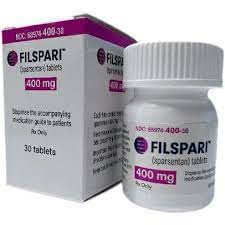
Sparsentan is a new type of dual receptor antagonist that blocks endothelin receptor A (ETA) and angiotensin II type II receptor (AT1 AT1). The drug was developed by Travere Therapeutics to improve the progression of kidney disease related to proteinuria. Its unique feature is that by simultaneously inhibiting two key pathogenic signaling pathways, it can not only reduce intraglomerular pressure, but also reduce inflammation and fibrotic reactions, thereby effectively delaying the deterioration of renal function. Spaxentan is considered one of the innovative drugs for "renal protective" treatment, providing a new treatment direction for patients with poor efficacy of traditional ACEI or ARB drugs.
Currently, the main indications for Sparsentan includeIgA Nephropathy and focal segmental glomerulosclerosis (FSGS), both of which are important causes of the progression of chronic kidney disease.
In IgA nephropathy, sparsentan can significantly reduce proteinuria levels, and its effect has been confirmed in multiple clinical trials, including the PROTECT study. Research data shows that compared with irbesartan (Irbesartan), Sparsentan can additionally reduce proteinuria by approximately 45% after 36 weeks of treatment, and the patient's renal function decline rate is significantly slowed down.
For FSGS patients, Sparsentan also shows good renal protection. In the DUET trial, patients receiving Sparsentan had significantly lower proteinuria levels than those in the control group and were well tolerated. Based on these results, Sparsentan has been approved in many countries for the treatment of adult proteinuric IgA nephropathy, and is further expanding its FSGS indications.
In addition to the two currently approved indications, researchers are exploringSparsentan’s potential use in other kidney diseases. For example, in conditions such as diabetic nephropathy, hypertensive kidney injury, and systemic lupus erythematosus-related nephritis, the endothelin pathway and angiotensin system are involved in pathological progression. Therefore, Sparsentan is expected to bring additional benefits through the dual pathway blocking mechanism. In addition, combined use with new renal protection drugs such as SGLT2 inhibitors has also become a research hotspot. Preliminary research shows that this combination regimen may have a synergistic effect to further reduce proteinuria and improve long-term renal function outcomes, providing a more comprehensive protection strategy for patients with chronic kidney disease (CKD).
In clinical practice, Sparsentan is mainly suitable for adult patients who have failed to respond to traditional proteinuria-lowering treatments (such as ACEI or ARB) and still have moderate to severe proteinuria. Renal function and blood pressure assessments are usually required before use to ensure safety. Compared with traditional single-target therapeutic drugs, Sparsentan's dual mechanism gives it more significant advantages in controlling proteinuria and reducing renal inflammation and fibrosis. In the future, as more long-term data are released, its application scope is expected to expand to early kidney disease intervention and management of various secondary kidney diseases.
Overall, the advent of Sparsentan (Sparsentan) marks a new stage in the treatment of kidney disease from a single target to a multi-mechanism intervention. It not only fills the gap in the treatment of refractory proteinuria such as IgA nephropathy and FSGS, but also provides a new clinical path to delay the progression of chronic renal failure. With the in-depth follow-up research and the accumulation of real-world data, Sparsentan is expected to become an important pillar in the future renal protection treatment system.
Reference materials:https://www.drugs.com/
[ 免责声明 ] 本页面内容来自公开渠道(如FDA官网、Drugs官网、原研药厂官网等),仅供持有医疗专业资质的人员用于医学药学研究参考,不构成任何治疗建议或药品推荐。所涉药品可能未在中国大陆获批上市,不适用于中国境内销售和使用。如需治疗,请咨询正规医疗机构。本站不提供药品销售或代购服务。


