
.jpeg)
Analysis of common adverse reactions and occurrence probability of Valganciclovir
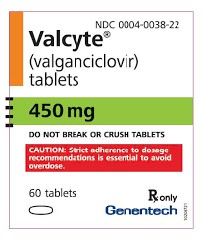
Valganciclovir is an oral antiviral drug, a nucleoside antiviral drug, mainly used to treat and prevent cytomegalovirus (CMV) infection, especially in organ transplant patients and people with low immune function. As the prodrug of valganciclovir, it is rapidly hydrolyzed into ganciclovir (Ganciclovir) in the body, and achieves antiviral effects by inhibiting viral DNA polymerase, blocking viral replication. Although Vancevir has high antiviral efficacy, its adverse reactions still require high attention, especially in long-term medication or high-risk patients.
Hematological adverse reactions are the most common side effects of Vancevi and require careful monitoring. Clinical data show that hematological toxicity includes neutropenia, anemia and thrombocytopenia. The incidence of neutropenia can reach 20%–40% and anemia is about < span>10%–25%, and thrombocytopenia is about 5%–15%. This toxicity is usually dose and treatment duration related, and in severe cases may increase the risk of infection or bleeding. Patients need to regularly monitor blood routine during use. If a significant decrease in neutrophils or platelets is found, dosage adjustment or temporary discontinuation of the drug should be considered, and growth factor support therapy should be used if necessary.
Adverse reactions related to liver and kidney function are also common. Vancevi is excreted by the kidneys, and patients with renal insufficiency are at higher risk of drug accumulation, which may cause an increase in serum creatinine or worsening of renal function. Clinical recommendations include dose adjustment in patients with impaired renal function and regular monitoring of serum creatinine and urea nitrogen levels. A few patients may experience liver function abnormalities, such as elevated alanine aminotransferase (ALT) and aspartate aminotransferase (AST), but these are usually mild and reversible. For patients with underlying liver and kidney diseases, liver and kidney function must be evaluated before using Vancevir, changes in indicators must be followed during treatment, and the medication regimen must be adjusted in a timely manner.
Gastrointestinal and nervous system adverse reactions are also common. About 10%–20% of patients may experience nausea, vomiting, diarrhea or abdominal pain, which is usually mild and can be relieved by taking the medicine, but the discomfort can be reduced by taking it after a meal or taking it in divided doses. In addition, some patients may experience symptoms such as headache, insomnia, fatigue or dizziness. Most of these reactions are mild to moderate and gradually resolve after stopping the drug. Occasionally, patients may develop psychiatric symptoms such as depression or anxiety, but the incidence is low.
Long-term medication or high-dose use of Vancevir also requires attention to reproductive system and skin reactions. Clinical observations have found that a small number of male patients may experience a decrease in sperm count or mild effects on reproductive function, and female patients may occasionally experience changes in their menstrual cycles. Skin rashes or mild itching may occur, but severe allergic reactions are rare. For high-risk patients, doctors should fully evaluate the pregnancy plan and allergy history before taking medication, and follow up regularly during medication.
Generally speaking, the adverse reactions of Vancevir involve the blood system, liver and kidney function, gastrointestinal tract, nervous system and a few skin and reproductive system reactions. Its occurrence probability is closely related to the patient's underlying disease, immune status, medication dosage and treatment cycle. In clinical management, it is necessary to strictly follow the doctor's guidance, regularly monitor blood routine, liver and kidney function and symptom manifestations, and minimize the risk of adverse reactions through dose adjustment, adjuvant treatment or temporary drug withdrawal to ensure the safety and effectiveness of the drug in preventing or treating CMV infection.
Reference materials:https://www.drugs.com/
[ 免责声明 ] 本页面内容来自公开渠道(如FDA官网、Drugs官网、原研药厂官网等),仅供持有医疗专业资质的人员用于医学药学研究参考,不构成任何治疗建议或药品推荐。所涉药品可能未在中国大陆获批上市,不适用于中国境内销售和使用。如需治疗,请咨询正规医疗机构。本站不提供药品销售或代购服务。


