
.jpeg)
Treatment methods and scientific mitigation measures for adverse reactions of Trametinib (Megenin)
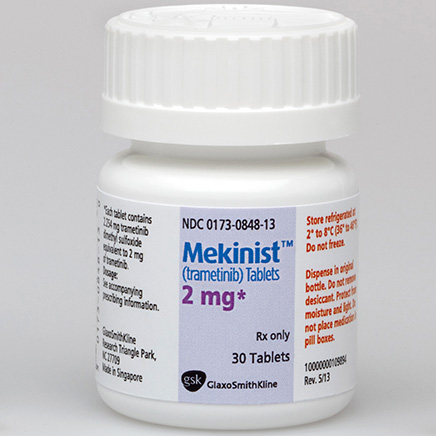
Trametinib is an oral MEK inhibitor commonly used in the treatment of BRAF mutation-positive melanoma and other related tumors. Despite its remarkable efficacy, a series of adverse reactions may still occur during clinical use, including rash, diarrhea, hypertension, fatigue, fever, and abnormal cardiac function. Scientific and reasonable handling of these adverse reactions can help improve patient compliance and treatment safety.
Skin-related adverse reactions are more common, such as rash, itching, or redness and swelling of the skin on the hands and feet. Mild to moderate rashes are usually relieved with topical moisturizers, antihistamines, or gentle skin care. For moderate to severe rashes or concurrent infections, doctors may recommend temporary discontinuation or dose reduction, combined with oral antihistamines or short-term glucocorticoid treatment. In daily life, patients should avoid irritating cosmetics or toiletries and keep their skin clean and dry to reduce discomfort.
Gastrointestinal reactions, such as diarrhea, nausea or loss of appetite, also need to be dealt with scientifically. Mild diarrhea can be relieved by adjusting the diet, increasing fluid intake, and taking antidiarrheal drugs. Patients with severe diarrhea or dehydration or bloody stools should seek medical treatment promptly, and may need to temporarily stop taking the drug or adjust the dosage. During the medication period, patients are advised to eat small amounts in portions and avoid greasy and irritating foods, thereby reducing gastrointestinal discomfort and improving drug tolerance.
Cardiovascular and systemic adverse reactions also require attention. Trametinib may cause an increase in blood pressure or a decrease in heart function, especially in patients with a history of high blood pressure or heart disease. Patients should regularly monitor blood pressure and cardiac function indicators. If any abnormalities are found, they should communicate with their doctor in a timely manner. If necessary, drug intervention or dosage adjustment should be taken. In addition, symptoms such as fever and fatigue can be relieved through rest, proper diet and symptomatic treatment. Scientific management of adverse reactions can not only improve patients' quality of life, but also ensure the continuity and efficacy of trametinib treatment.
Reference materials:https://www.drugs.com/
[ 免责声明 ] 本页面内容来自公开渠道(如FDA官网、Drugs官网、原研药厂官网等),仅供持有医疗专业资质的人员用于医学药学研究参考,不构成任何治疗建议或药品推荐。所涉药品可能未在中国大陆获批上市,不适用于中国境内销售和使用。如需治疗,请咨询正规医疗机构。本站不提供药品销售或代购服务。


