
.jpeg)
Tofacitinib/Shangjie and UVB combination shows promise in treating vitiligo
Vitiligo is a common autoimmune skin disease characterized by loss of pigment, resulting in visible white patches on the face and extremities. This condition not only affects the patient's physical health, but can also severely interfere with social interactions, which in turn affects mental health. Although there are currently some treatments, such as topical corticosteroids, phototherapy, and surgery, these are often of limited effectiveness and may cause side effects such as skin atrophy and scarring. For a long time, the lack of effective drug treatment has been a major obstacle to the clinical treatment of vitiligo.
Ultraviolet B (UVB) phototherapy is a traditional non-drug treatment that helps repigmentation by promoting the production of melanin. However, the autoimmune mechanism of vitiligo is mainly driven by interferon gamma (IFN-γ), CD8+T cells and Janus kinase (JAK) signaling pathways, highlighting the importance of targeted therapy. The only drug currently approved by the Food and Drug Administration (FDA) for the treatment of vitiligo is ruxolitinib, a topical JAK inhibitor, although there is growing interest in testing other JAK inhibitors.
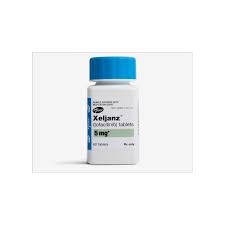
Tofacitinib/Shangjie (Tofacitinib) is an oral JAK1/3 inhibitor that was previously approved for the treatment of rheumatoid arthritis. Recent studies have shown that it can reduce the level of IFN-γ in the skin. New research shows that combining tofacitinib with UVB treatment can significantly improve efficacy. However, relevant clinical data from Asian populations are still limited.
In a new double-blind randomized trial, researchers evaluated the efficacy of tofacitinib combined with UVB (TOF-UVB) to see if it was more effective than UVB treatment alone. The study comprehensively measured the efficacy through the Vitiligo Area Score Index (VASI), Dermatology Life Quality Index (DLQI) and levels of inflammatory markers such as IL-17, IL-23, IFN-γ and IL-6.
Study results showed significant improvement in both treatment groups after 24 weeks of treatment, but TOF-UVBtreated patients showed more significant effects in the reduction of inflammatory cytokines and repigmentation. This suggests that JAK inhibitors may enhance the immunoregulatory effect of UVB by inhibiting the melanocyte damage pathway.
Although this study supports the safety and efficacy of TOF-UVB in the Chinese patient population, its limitations cannot be ignored, including a small sample size and the lack of a control group using tofacitinib alone. The study authors emphasize that future larger, long-term trials, particularly involving pediatric patients and different stratified patient groups, are needed to further confirm these promising results.
Taken together, this study further supports the idea of combining JAK inhibitors with UVB phototherapy as an effective treatment strategy to improve prognosis and quality of life in patients with vitiligo. This interdisciplinary treatment method not only provides new ideas for clinical practice, but also brings hope to patients with vitiligo.
References: https://www.emjreviews.com/dermatology/news/combined-tofacitinib-and-uvb-therapy-shows-promise-in-vitiligo/
[ 免责声明 ] 本页面内容来自公开渠道(如FDA官网、Drugs官网、原研药厂官网等),仅供持有医疗专业资质的人员用于医学药学研究参考,不构成任何治疗建议或药品推荐。所涉药品可能未在中国大陆获批上市,不适用于中国境内销售和使用。如需治疗,请咨询正规医疗机构。本站不提供药品销售或代购服务。


