
.jpeg)
What is the specific molecular structural formula of linezolid/Swo?
The molecular structure of linezolid (Linezolid) is the core reason why it has become the representative oxazolidinone antibacterial drug. Its structural formula has distinctive features, including multiple structural units such as oxazolidinone rings, aromatic rings, and side chains. These structures jointly determine the drug's mechanism of action, metabolic characteristics, and persistence of efficacy. From a chemical point of view, the molecular formula of linezolid is C16H20FN3O4. The molecular structure contains an oxygen-containing heterocyclic ring and an aromatic ring with a fluorine atom, making it highly stable and lipid-soluble, making it easier for the drug to penetrate the cell wall and reach its target. Its core structure, the oxazolidinone ring, is considered to be the key structure for this type of drug to block bacterial protein synthesis, allowing it to bind to specific sites on the ribosome and interfere with the bacterial protein translation process.
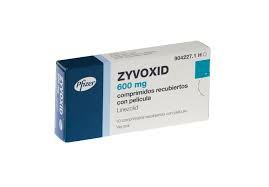
The fluorophenyl side chain in the linezolid structure enhances binding to bacterial ribosomes, improves antibacterial activity and reduces cross-resistance problems with other antibiotics. Compared with traditional antibacterial drugs, linezolid is designed to "precisely target ribosome functional sites", so it can maintain good activity in a variety of drug-resistant strains. In addition, the morpholine group in the molecular structure improves the solubility of the molecule, making it rapidly absorbed and highly bioavailable after oral administration. This is also an important reason why linezolid can provide equivalent efficacy to oral dosage forms and intravenous dosage forms. It is precisely because of these structural features that linezolid exhibits special advantages in complicated infections.
In the field of clinical medicinal chemistry, the molecular structure of linezolid is often considered an important template for the development of new antibacterial drugs (bacterial infections). Its core structure has good modifiability, and many new-generation oxazolidinone drugs have been optimized based on linezolid, for example, by changing the substituents on the aromatic ring, adjusting the side chain distribution, etc. to enhance the antibacterial spectrum or reduce the risk of adverse reactions. This structural malleability reflects the profound impact of linezolid as a prototype drug and also shows its potential for continued application in the field of combating drug-resistant bacteria in the future.
Reference: https://go.drugbank.com/drugs/DB00601
[ 免责声明 ] 本页面内容来自公开渠道(如FDA官网、Drugs官网、原研药厂官网等),仅供持有医疗专业资质的人员用于医学药学研究参考,不构成任何治疗建议或药品推荐。所涉药品可能未在中国大陆获批上市,不适用于中国境内销售和使用。如需治疗,请咨询正规医疗机构。本站不提供药品销售或代购服务。


