
.jpeg)
Comparative analysis of the advantages and disadvantages of Atrasentan and Nefukang
In the treatment field of Primary immunoglobulin A nephropathy, with the continuous advancement of global research, more and more new drugs have been introduced into clinical practice. atrasentan (atrasentan) is an endothelin receptor antagonist that has recently attracted attention. Its main function is to reduce proteinuria and protect renal function. Nefukang (budesonide enteric-coated capsules, a common enteric-coated controlled-release budesonide preparation) is a local steroid drug used for long-term treatment of kidney disease. It improves the immune burden of IgA nephropathy by acting on the terminal ileum and related mucosal immune areas. Although the two drugs are both used for the management of IgA nephropathy, their mechanisms of action, applicable populations, long-term regimens, and potential risks are all significantly different, so they need to be comprehensively considered when making clinical decisions.
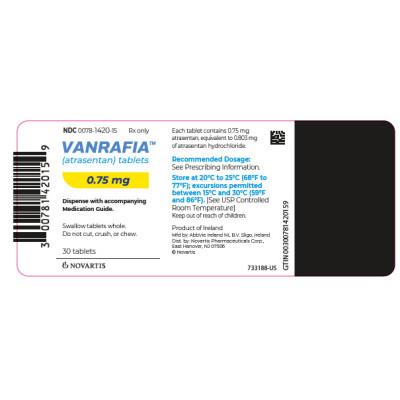
The core function of atrasentan is to block endothelin A receptors, thereby improving the tone of renal small blood vessels, reducing intraglomerular pressure and reducing proteinuria. The endothelin system plays an important role in the pathological process of IgA nephropathy. Its overactivation will increase the burden on glomeruli and promote fibrosis and structural damage. By precisely regulating this pathway, atrasentan can steadily reduce proteinuria, thereby reducing long-term damage to the nephron. Overseas studies generally believe that this type of endothelin pathway drugs have more potential benefits for patients with high proteinuria and rapid progression, and their long-term use value is gradually being confirmed.
In contrast, Nefukang (budesonide enteric-coated capsules) is a hormone-modulating drug introduced earlier in the treatment of kidney disease. Its unique feature is the use of an enteric delivery system, which allows budesonide to be released mainly in the terminal ileum and act on gut-associated lymphoid tissue. Since the abnormal production of IgA antibodies is closely related to intestinal mucosal immunity, local release of budesonide can reduce systemic hormone exposure and reduce the inflammatory response caused by glomerular IgA deposition. As a locally acting corticosteroid, it is regarded at home and abroad as a steady-state treatment option for patients with mild to moderate proteinuria or those in the immune activation stage.
From a mechanism comparison, atrasentan is a "renal small vessel pathway protection drug", which mainly improves proteinuria and renal pressure environment; while Nefukang is a "mucosal immunomodulatory drug", which emphasizes inhibiting the production of abnormal IgA. Therefore, the two drugs are not directly competitive, but complementary in their therapeutic targets. For patients with higher levels of proteinuria and a clear trend of declining renal function, atrasentan has a more direct protective effect; while for patients with high immune activity and significant fluctuations in daily proteinuria, budesonide enteric-coated capsules may be more suitable.
From a safety point of view, atrasentan is often concerned about fluid retention, weight gain, blood pressure changes and other reactions related to endothelin pathway blockade, especially in patients with a heavy underlying cardiovascular burden, which requires caution. As a local hormone, Nefukang has significantly fewer systemic side effects than traditional hormone drugs, but long-term use may still cause mild hormone-related symptoms, especially in metabolism, mood, or gastrointestinal tract. Therefore, it also needs to be used according to the treatment course and monitoring plan.
References: https://www.vanrafia.com/
[ 免责声明 ] 本页面内容来自公开渠道(如FDA官网、Drugs官网、原研药厂官网等),仅供持有医疗专业资质的人员用于医学药学研究参考,不构成任何治疗建议或药品推荐。所涉药品可能未在中国大陆获批上市,不适用于中国境内销售和使用。如需治疗,请咨询正规医疗机构。本站不提供药品销售或代购服务。


