
.jpeg)
Strategies for coping with common side effects of Everolimus/Afinitor
Everolimus (Everolimus), as a mTOR inhibitor, while inhibiting abnormal cell proliferation, may also affect mucosal repair, metabolic regulation and immune response. Therefore, its side effect characteristics are different from most traditional chemotherapy drugs. Regarding the common adverse reactions of everolimus, domestic and foreign clinical guidelines emphasize the strategy of "early identification, early intervention, and continuous monitoring" to ensure the tolerance of long-term treatment.
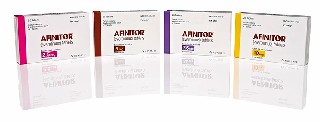
In actual use, oral mucositis is one of the more typical adverse reactions of everolimus. Many patients may experience tingling, ulceration or burning sensation in the mouth during the initial period of use. To reduce the incidence, good oral hygiene habits can be established before the start of treatment, such as avoiding the intake of hot or spicy foods and using non-alcoholic mouthwash as auxiliary care. In the early stages of symptoms, the degree of mucositis can usually be improved by gargling mouth protectants or using topical anti-inflammatory preparations. Your doctor may also recommend short-term drug discontinuation or dose adjustment to help the mucosa recover.
Respiratory-related symptoms, such as cough or breathing discomfort, are a common focus of monitoring. The mechanism may be related to the effect of mTOR inhibition on lung tissue repair. When persistent cough or chest discomfort occurs, prompt evaluation should be performed to determine whether there is a drug-related pulmonary reaction. Overseas guidelines suggest that adjusting the dose or briefly discontinuing the drug in the early stages can help gradually relieve symptoms. If the symptoms are severe, further investigation is needed and a management plan will be developed based on the specific situation.
Skin-related reactions, such as rash and dryness, are also common experiences after taking everolimus. Using moisturizing products, reducing irritating cosmetics, and protecting the skin barrier are important measures. When a rash worsens, your dermatologist may recommend topical steroids or oral antihistamines to reduce discomfort.
References: https://www.drugs.com/everolimus.html
[ 免责声明 ] 本页面内容来自公开渠道(如FDA官网、Drugs官网、原研药厂官网等),仅供持有医疗专业资质的人员用于医学药学研究参考,不构成任何治疗建议或药品推荐。所涉药品可能未在中国大陆获批上市,不适用于中国境内销售和使用。如需治疗,请咨询正规医疗机构。本站不提供药品销售或代购服务。


