
.jpeg)
Standard use of elotuzumab
Elotuzumab (Elotuzumab) is an intravenously administered antibody drug, and its use needs to strictly follow the international recommended cycle. Especially in combination treatment regimens, there are obvious differences in the dosage schedule and dosing rhythm corresponding to different combinations. Therefore, the standardized medication process is not only related to the efficacy of the drug, but also directly affects safety monitoring. In clinical practice, evolizumab is usually combined with immunomodulators, and common regimens mainly include combinations with lenalidomide and dexamethasone, or with pomalidomide and dexamethasone.
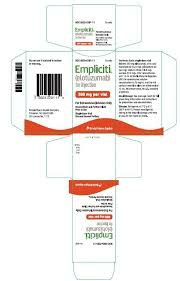
When combined with lenalidomide and dexamethasone, the dosing logic of evolizumab is adjusted on a sequential cycle basis. The first and second cycles are intensive phases, with intravenous infusion once a week at a dose of 10mg per kilogram of body weight. This is to quickly establish stable drug concentrations in the body and activate the immune system. Starting from the third cycle, the dosing rhythm was adjusted to once every two weeks to maintain a relatively stable maintenance level, and treatment continued until disease progression or unacceptable adverse reactions occurred. When combined with the pomalidomide regimen, the first two cycles are also weekly infusions of 10 mg/kg, but starting from the third cycle, it is expanded to once every four weeks, and the dose is increased to 20 mg/kg. This rhythm arrangement is designed to match the immunomodulatory curve of pomalidomide, making the synergistic effect of the combination treatment more obvious.
Since evolizumab is an intravenous infusion drug, pretreatment measures before treatment are crucial. International clinical practice generally recommends the use of dexamethasone, the antihistamine diphenhydramine, the gastric acid inhibitor ranitidine, and the antipyretic and analgesic drug acetaminophen before administration in order to reduce infusion-related reactions, including discomfort symptoms such as fever, chills, or mild respiratory discomfort. Pretreatment optimization can effectively improve patient tolerance and make the intravenous drug administration process smoother.
References: https://www.empliciti.com/
[ 免责声明 ] 本页面内容来自公开渠道(如FDA官网、Drugs官网、原研药厂官网等),仅供持有医疗专业资质的人员用于医学药学研究参考,不构成任何治疗建议或药品推荐。所涉药品可能未在中国大陆获批上市,不适用于中国境内销售和使用。如需治疗,请咨询正规医疗机构。本站不提供药品销售或代购服务。


