
.jpeg)
Detailed explanation of the six taboos when using Roprostim (Huierning)
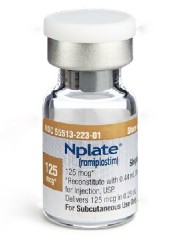
Romiplostim (trade name Nplate) is a recombinant human thrombopoietin receptor agonist (TPO-RA), which binds to the surface of megakaryocytes The pan>c-Mpl receptor binds to promote platelet production and is widely used to treat chronic immune (idiopathic) thrombocytopenic purpura (ITP). Although it is effective, not all patients are suitable for it. Roprostim has several clear or relative contraindications in clinical practice, mainly including allergic reactions, risk of myelofibrosis, liver function damage, thrombophilia, thrombocytopenia caused by radiation or chemotherapy, and undiagnosed causes of thrombocytopenia.
First of all, patients who are allergic to Roprostim or any of its excipients are strictly prohibited from using it. This drug is a protein preparation, and there have been individual cases of severe allergic reactions or anaphylactic shock. Secondly, patients with myelofibrosis or primary myelodysplasia should not use it because continued stimulation of TPO receptors may aggravate the progression of myelofibrosis. Third, it should be disabled or used with caution in patients with moderate to severe liver function impairment, because the liver is an important organ that regulates platelet production. Patients with liver injury are more prone to thrombotic complications, and abnormal drug metabolism may cause a sharp increase in platelets.
Fourth, patients with a high risk of thrombosis or a history of thrombosis should avoid using it. Ropremilast can rapidly increase platelets and easily induce deep vein thrombosis or pulmonary embolism. Fifth, it is not recommended for patients with secondary thrombocytopenia after radiotherapy or chemotherapy. This type of thrombocytopenia results from myelosuppression rather than immune destruction. The use of ropruprimostat is often ineffective and may increase the burden on the bone marrow. Sixth, it is contraindicated in patients with thrombocytopenia of unknown cause or non-ITP type, because if it is leukemia, MDS or other malignant lesions of the hematopoietic system, the use of this drug may mask the condition and delay diagnosis.
In clinical practice, doctors should conduct detailed hematology tests and etiology investigation before using loplastin, and closely monitor platelet count and bone marrow morphological changes during treatment. For patients with a history of liver disease, cardiovascular and cerebrovascular diseases, or tumors, special caution and regular risk assessment are required. If elevated liver enzymes, abnormal spikes in platelets, or suspected thrombosis symptoms occur, the drug should be discontinued and dealt with immediately. In general, although loprostim is an effective drug for increasing platelets, strict compliance with contraindications and monitoring principles is the key to ensuring efficacy and safety.
Reference materials:https://www.drugs.com/
[ 免责声明 ] 本页面内容来自公开渠道(如FDA官网、Drugs官网、原研药厂官网等),仅供持有医疗专业资质的人员用于医学药学研究参考,不构成任何治疗建议或药品推荐。所涉药品可能未在中国大陆获批上市,不适用于中国境内销售和使用。如需治疗,请咨询正规医疗机构。本站不提供药品销售或代购服务。


