
.jpeg)
Analysis of the core points of the instructions for Futibatinib
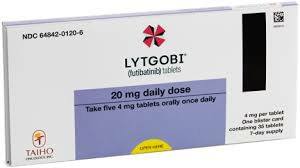
Forbatinib (Futibatinib) is a targeted therapy for specific cancers. It belongs to the kinase inhibitor class of drugs and is designed for patients with intrahepatic cholangiocarcinoma (iCCA), especially those who carry fibroblast growth factor receptor 2 (FGFR2) gene fusion or other types of gene rearrangements. Its main function is to block the growth and spread of cancer cells by inhibiting the FGFR pathway.
1. Indications
Forbatinib is mainly used to treat adult patients with intrahepatic cholangiocarcinoma, especially those carrying FGFR2 gene fusions or other types of gene rearrangements. These patients often have received previous treatment, but because the cancer is locally advanced or has metastasized, traditional treatments cannot respond. Forbatinib provides a new treatment option for these patients. FGFR2 gene fusion is an important causative factor in many cancers, especially intrahepatic cholangiocarcinoma. Therefore, the efficacy of forbatinib on this target has received widespread attention.
2. Recommended dosage
Before using forbatinib, the presence of FGFR2 fusion or other related gene rearrangement must be confirmed in the patient. This is a prerequisite for initiating treatment. The conventional recommended dose is 125mg once a day, and the treatment cycle is 28 days, that is, 21 days for administration and 7 days for discontinuation. For patients with mild or moderate renal impairment, it is recommended to adjust the dose to 100 mg once daily, following the same treatment cycle. For patients with mildly impaired hepatic function, the dose adjustment is also 100 mg. However, patients with moderately impaired liver function need to further reduce the dose to 75 mg once daily, using the same 21 days dosing and 7 days off cycle. These dosage adjustments are designed to reduce the burden on the liver and kidneys while ensuring the effectiveness of the treatment.
3. Adverse reactions
In the clinical application of forbatinib, the most common adverse reactions involve multiple systems. In terms of nails, nail toxicity may occur; the musculoskeletal system may experience pain; the digestive system often suffers from constipation, diarrhea, abdominal pain, nausea, vomiting, loss of appetite and stomatitis, as well as dry mouth, dry skin, dysgeusia, dry eyes and other discomforts. In addition, hair loss, joint pain, and hand-foot syndrome are also common.
In terms of laboratory tests, forbatinib may cause some common abnormal indicators, including increases in blood phosphorus, creatinine, glucose, calcium, etc., while hemoglobin, sodium, lymphocytes, platelets, etc. may decrease. In terms of liver function, indicators such as alanine aminotransferase, alkaline phosphatase, and aspartate aminotransferase may be elevated. In terms of coagulation function, changes may also occur in activated partial thromboplastin time (APTT) and international normalized ratio (INR).
4. Pharmacological effects
Forbatinib prevents the growth and spread of cancer cells by inhibiting the small molecule kinase activity of FGFR1-4. It has a strong affinity for FGFR, with an IC50 value lower than 4nM. It can covalently bind to FGFR and inhibit its phosphorylation and the conduction of downstream signaling pathways. This mechanism helps reduce the survival rate of cancer cells with FGFR gene alterations (such as FGFR2 fusions, amplifications, mutations). In laboratory animal models, forbatinib has demonstrated significant antitumor activity, particularly in the treatment of cancers such as intrahepatic cholangiocarcinoma.
FGFR2 gene fusion is a common driver mutation in patients with intrahepatic cholangiocarcinoma, which is one of the reasons why forbatinib is effective in treating this type of cancer. By targeting this mutation, forbatinib can not only reduce the growth of cancer cells, but also effectively reduce the risk of tumor metastasis.
5. Storage
Forbatinib tablets should be kept at room temperature 20°C to 25°C (68°F to 77°F) Storage is allowed at 15°C to 30°C (59°F to 86°F). Make sure medicines are stored in a dry, cool place and avoid being exposed to moisture or high temperatures to ensure their efficacy is not affected.
Reference materials: https://www.lytgobi.com/
[ 免责声明 ] 本页面内容来自公开渠道(如FDA官网、Drugs官网、原研药厂官网等),仅供持有医疗专业资质的人员用于医学药学研究参考,不构成任何治疗建议或药品推荐。所涉药品可能未在中国大陆获批上市,不适用于中国境内销售和使用。如需治疗,请咨询正规医疗机构。本站不提供药品销售或代购服务。


