
.jpeg)
Gefapixant Citrate Instructions Key Points
Gefapixant Citrate (Gefapixant Citrate) is a drug used to treat chronic cough in adults, especially those with refractory or unexplained chronic cough. It provides effective treatment by selectively antagonizing P2X3 receptors and reducing excessive coughing caused by the cough reflex. The following are the core points of the instructions for Gemfapixin to help patients and medical professionals better understand its use, dosage, indications, contraindications and potential adverse reactions.
1. Qualitative and quantitative components
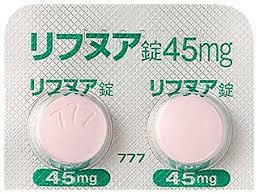
Each Gelfapisin film-coated tablet contains 45 mg Gyfapisin citrate. The active ingredients in each tablet work in the body and are quickly absorbed through oral administration to help relieve chronic cough symptoms. The active ingredients of the drug and its excipients work together to ensure the stability and efficacy of the drug.
2. Treatment indications
Gemfapixin is mainly indicated for the treatment of adults with refractory or unexplained chronic cough. Chronic cough is a common symptom that is usually caused by a variety of factors, including respiratory allergies, inflammation, etc. For those patients with chronic cough for whom traditional treatments are ineffective or whose cause is unclear, Gemfapixin provides a new treatment option. By targeting the P2X3 receptor, Gemfapixin can effectively relieve the cough reflex and improve patients' quality of life.
3. Dosage and Administration
The recommended dose of Gemfapixin is 45 mg tablets taken orally twice daily. It can be taken with food or on an empty stomach. Depending on the patient's specific condition, the physician may adjust the dosage based on therapeutic efficacy and tolerability. In order to obtain the best therapeutic effect, patients should adhere to regular medication according to the guidance of their doctor.
If a patient misses a dose, they should skip the missed dose and return to their normal dosing schedule. Patients should not double the dose with their next dose or exceed the prescribed dose. Proper medication compliance is very important to ensure drug effectiveness and avoid unnecessary side effects.
4. Contraindications
There are some contraindications to the use of Gemfapixin. First, the use of gemfapixin is contraindicated in patients who are allergic to gemfapixin or any excipients. Additionally, this medication should not be used by anyone with a history of severe allergies or interactions with the ingredients in Gemfapicin. Before using Gemfapixin, patients should inform their doctor in detail about their allergic history to avoid adverse reactions.
5. Adverse reactions
The safety of gefapixin is an important aspect of its approval and use. The most commonly reported side effect was dysgeusia, which occurred in 41% of patients. Additionally, approximately 15% of patients experience loss of taste, and 11% report hypogeusia. Although these side effects are usually temporary and improve as the patient continues treatment, they can impact the patient's quality of life. Other adverse reactions may include mild gastrointestinal discomfort, headache, etc. Patients should contact their doctor promptly if they experience any persistent discomfort.
6. Mechanism of action
The main mechanism of action of Gemfapixin is through selective antagonism of P2X3 receptors. The P2X3 receptor is an ATP gated ion channel found on vagal sensory C fibers in the airways. C Fibers are highly sensitive to inflammation or chemical irritants. When airway inflammation occurs, airway mucosal cells will release ATP. Extracellular ATP binds to P2X3 receptors and activates C fibers, producing the urge to cough.
In this mechanism, the cough reflex is caused by overactivation of C fibers. By blocking P2X3 receptors and reducing ATP signal conduction, Gemfapixin can significantly reduce excessive sensory nerve activation, thereby reducing the frequency and intensity of cough. This mechanism of action gives Gemfapixen a unique advantage in the treatment of chronic cough, especially in patients with chronic cough caused by inflammation.
Reference: https://synapse.patsnap.com
[ 免责声明 ] 本页面内容来自公开渠道(如FDA官网、Drugs官网、原研药厂官网等),仅供持有医疗专业资质的人员用于医学药学研究参考,不构成任何治疗建议或药品推荐。所涉药品可能未在中国大陆获批上市,不适用于中国境内销售和使用。如需治疗,请咨询正规医疗机构。本站不提供药品销售或代购服务。


